• How Stethoscope Works....

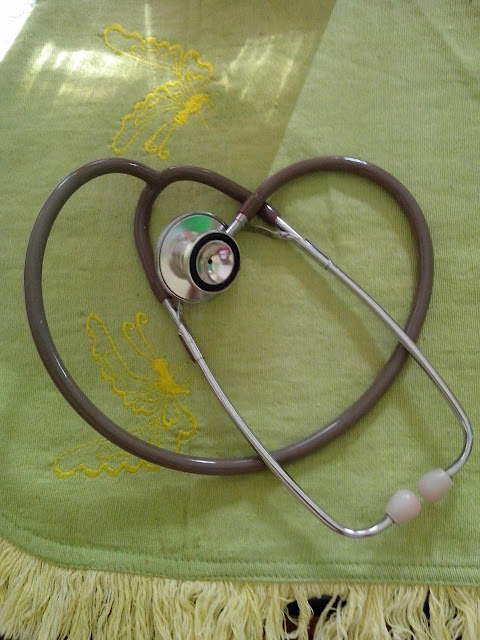
    A stethoscope is a medical device for listening to sounds inside the body. The initial stethoscope was invented in the early 19th century by French physician Ren� Laennec, but was actually trying to achieve a rather different end: doctor-patient distance....

  • Care Plan For Decreased Cardiac Output...

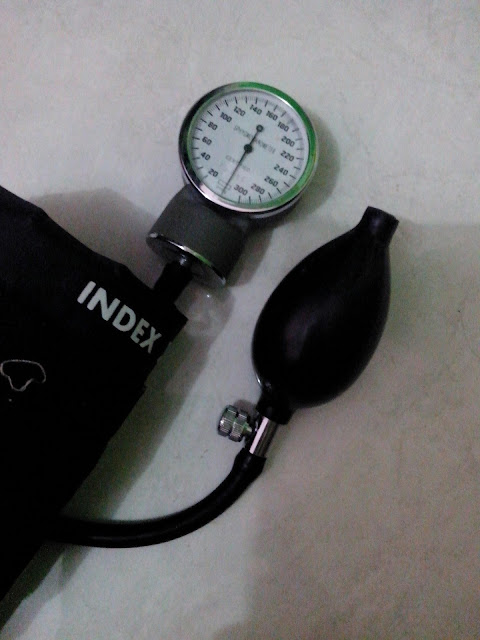
    Nursing diagnosis for decreased cardiac output may be related to altered myocardial contractility, inotropic changes; alterations in rate, rhythm, electrical conduction; or structural changes, such as valvular defects and ventricular aneurysm. ...

  • ECG Waveforms And Components

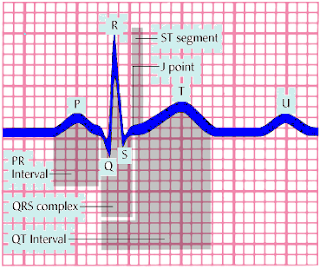
    The electrocardiogram (ECG) is a graphic recording ofelectric potentials generated by the heart.The signals are detected by means of metal electrodes attached to the extremities and chest wall and are then amplified and recorded by the electrocardiograph. ECG leads actually display the instantaneous differences in potential between these electrodes. ...

Wednesday, June 21, 2017

ADD/ADHD

Attention deficit disorder (ADD), formerly known as attention deficit/hyper-activity disorder (ADHD), is one of the most common mental disorders among children today. It is estimated that approximately 3 percent to 5 percent of all children (two to three times as many boys are affected than girls) or nearly 2 million American children (which correlates to one child in each classroom in the United States) have ADHD according to the National Institute of Mental Health.1 ADHD does not only affect children, as symptoms can progress into adulthood as well.
The specific causes of ADHD are currently unknown, with several factors being responsible in different people. No solitary causative factor has been identified as being responsible for the different behavior patterns observed in ADHD. ADHD is only diagnosed by certain characteristic behavior patterns that are observed over time; no other clear physical signs can be seen. Common behavioral pattern categories in ADHD include inattention, impulsivity, and hyper-activity.
• Inattention: This is marked by difficulty in keeping the mind focused on any one subject and a short attention span. People with ADHD often become bored after only a few minutes at work on a subject, and placing focused attention on new or unfamiliar topics can be challenging.
• Impulsivity: This is marked by an inability to refrain from immediate reactions, making it difficult to wait and first think before speaking or acting.
• Hyperactivity: This is marked by constant perpetual motion; staying in one place and sitting still can be difficult. Adults may feel quite restless and may start several projects and have a difficult time finishing them.
Diagnosis of ADHD is based upon an analysis of the person’s behavioral patterns, which are compared to established criteria. These criteria are defined in the Diagnostic and Statistical Manual of Mental Disorders (DSM-IV). The manual outlines the three previously mentioned behavior patterns, and people may display varying amounts of each pattern or only one. Because nearly everyone displays some of these symptoms at some time in their life, certain criteria, including age of onset (early in life, before age seven), duration of symptoms (continuous for at least six months), frequency (occurring more often in themselves than others of similar age), and most importantly, behavior(s), must occur in at least two different areas of the person’s life, namely, school, home, work, or social settings.
A recent report issued by the Centers for Disease Control and Prevention claimed that nearly 1.6 million elementary school–aged children have a diagnosis of ADHD, and a national survey revealed that the parents of 7 percent of children ages 6–11 years old were told by a healthcare professional that their child had ADHD.2 The report also included the following demographic information: boys are nearly three times as likely to have ADHD than girls; white children are twice as likely than Hispanic and black children to have a diagnosis of ADHD; children with health insurance are diagnosed with ADHD more often than children without health insurance; and children with ADHD use more healthcare services, including mental health services, than those without ADHD. This report went on to propose that ADHD is probably overdiagnosed in those with regular access and may be underdiagnosed in those with limited healthcare access.
A common neurodevelopmental disorder, ADHD results in impaired educational processes, social growth, and adaptation that lead to increasing rates of behavioral difficulty, depression, school dropouts, and substance abuse,3 which have lead to the mass prescription of stimulant psychotropic medications in children affected with this disorder. With no fully established biological causes recognized, ADHD does display prominent heritability. Mainstream treatment focuses on the use of mainly stimulant drugs, and because of the perceived relative success of these drugs in alleviating ADHD symptoms, many studies have focused mainly on genes that are responsible for the development and regulation of brain neurotransmitter systems, specifically that of dopamine, wherein the physiologic basis for the action of these drugs exists.
Genetic factors do play a role in the genesis of ADHD; estimates of herita-bility are greater than those of nearly every other child and adolescent psychiatric disorder and first-degree relatives have increased rates of ADHD, including conduct and affective disorders as well as substance abuse and dependency. Additionally, the subtypes of ADHD (impulsivity, hyperactivity, inattention) do not correlate with that of additional family members, leading researchers to conclude that nongenetic factors are responsible for intrafamialial variability.4 Factors other than genetics have been implicated in the development of ADHD prior to birth. Prenatal exposure to nicotine and psychosocial adversity have been identified as risk factors for ADHD; a review of the studies in ADHD literature exploring the relationship between prenatal exposure to these factors and the risk of developing ADHD revealed that smoking (specifically nicotine exposure) and exposure to psychosocial stress during pregnancy indicated greater and modest risk, respectively, in contributing to the development of ADHD.5 Other causes/contributors of ADHD that have been implicated in the literature include food sensitivities and allergies, food additive intolerance, imbalance and deficiency of nutrients, environmental toxicity (including heavy metal poisoning, thyroid irregularities, and other toxic pollutants).
Read More

Tuesday, June 13, 2017

Nursing Diagnoses Organized According to Diagnostic Divisions (continued)

Elimination—ability to excrete waste products
• Bowel Incontinence
• Constipation
• Constipation, perceived
• Constipation, risk for
• Diarrhea
• Motility, dysfunctional gastrointestinal
• Motility, risk for dysfunctional gastrointestinal
• Urinary Elimination, impaired
• Urinary Elimination, readiness for enhanced
• Urinary Incontinence, functional
• Urinary Incontinence, overflow
• Urinary Incontinence, reflex
• Urinary Incontinence, stress
• Urinary Incontinence, urge
• Urinary Incontinence, risk for urge
• Urinary Retention [acute/chronic]

Food/Fluid—ability to maintain intake of and utilize nutrients and liquids to meet physiological needs
• Breastfeeding, effective
• Breastfeeding, ineffective
• Breastfeeding, interrupted
• Dentition, impaired
• Electrolyte Imbalance, risk for
• Failure to Thrive, adult
• Feeding Pattern, ineffective infant
• Fluid Balance, readiness for enhanced
• [Fluid Volume, deficient hypertonic or hypotonic]
• Fluid Volume, deficient [isotonic]
• Fluid Volume excess
• Fluid Volume, risk for deficient
• Fluid Volume, risk for imbalanced
• Glucose Level, risk for unstable blood
• Liver Function, risk for impaired
• Nausea
• Nutrition: less than body requirements, imbalanced
• Nutrition: more than body requirements, imbalanced
• Nutrition: more than body requirements, risk for imbalanced
• Nutrition, readiness for enhanced
• Oral Mucous Membrane, impaired
• Swallowing, impaired

Hygiene—ability to perform activities of daily living
• Neglect, self
• Self-Care, readiness for enhanced
• Self-Care Deficit: bathing
• Self-Care Deficit: dressing
• Self-Care Deficit: feeding
• Self-Care Deficit: toileting

Neurosensory—ability to perceive, integrate, and respond to internal and external cues
• Confusion, acute
• Confusion, risk for acute
• Confusion, chronic
• Infant Behavior, disorganized
• Infant Behavior, risk for disorganized
• Infant Behavior, readiness for enhanced organized
• Memory, impaired
• Neglect, unilateral
• Peripheral Neurovascular Dysfunction, risk for
• Sensory Perception, disturbed (specify: visual, auditory, kinesthetic, gustatory, tactile, olfactory)
• Stress Overload
• [Thought Processes, disturbed]
Read More

Monday, June 12, 2017

Nursing Diagnoses Organized According to Diagnostic Divisions

Activity/Rest—ability to engage in necessary or desired activities of life (work and leisure) and to obtain adequate sleep and rest
• Activity Intolerance
• Activity Intolerance, risk for
• Activity Planning, ineffective
• Disuse Syndrome, risk for
• Diversional Activity, deficient
• Fatigue
• Insomnia
• Lifestyle, sedentary
• Mobility, impaired bed
• Mobility, impaired wheelchair
• Sleep, readiness for enhanced
• Sleep Deprivation
• Sleep Pattern, disturbed
• Transfer Ability, impaired
• Walking, impaired

Circulation—ability to transport oxygen and nutrients necessary to meet cellular needs
• Autonomic Dysreflexia
• Autonomic Dysreflexia, risk for
• Bleeding, risk for
• Cardiac Output, decreased
• Intracranial Adaptive Capacity, decreased
• Perfusion, ineffective peripheral tissue
• Perfusion, risk for decreased cardiac tissue
• Perfusion, risk for ineffective cerebral tissue
• Perfusion, risk for ineffective gastrointestinal
• Perfusion, risk for ineffective renal
• Shock, risk for

Ego Integrity—ability to develop and use skills and behaviors to integrate and manage life experiences
• Anxiety [specify level]
• Anxiety, death
• Behavior, risk-prone health
• Body Image, disturbed
• Conflict, decisional (specify)
• Coping, defensive
• Coping, ineffective
• Coping, readiness for enhanced
• Decision Making, readiness for enhanced
• Denial, ineffective
• Dignity, risk for compromised human
• Distress, moral
• Energy Field, disturbed
• Fear
• Grieving
• Grieving, complicated
• Grieving, risk for complicated
• Hope, readiness for enhanced
• Hopelessness
• Identity, disturbed personal
• Post-Trauma Syndrome
• Post-Trauma Syndrome, risk for
• Power, readiness for enhanced
• Powerlessness
• Powerlessness, risk for
• Rape-Trauma Syndrome
• Relationships, readiness for enhanced
• Religiosity, impaired
• Religiosity, risk for impaired
• Religiosity, readiness for enhanced
• Relocation Stress Syndrome
• Relocation Stress Syndrome, risk for
• Resilience, impaired individual
• Resilience, readiness for enhanced
• Resilience, risk for compromised
• Self-Concept, readiness for enhanced
• Self-Esteem, chronic low
• Self-Esteem, situational low
• Self-Esteem, risk for situational low
• Sorrow, chronic
• Spiritual Distress
• Spiritual Distress, risk for
• Spiritual Well-Being, readiness for enhanced
Read More

Thursday, June 8, 2017

ELECTROPHYSIOLOGY

Depolarization of the heart is the initiating event for cardiac contraction. The electric currents that spread through the heart are produced by three components: cardiac pacemaker cells, specialized conduction tissue, and the heart muscle itself.The ECG,however, records only the depolarization (stimulation) and repolarization (recovery) potentials generated by the atrial and ventricular myocardium.
The depolarization stimulus for the normal heartbeat originates in the sinoatrial (SA) node, or sinus node, a collection of pacemaker cells.These cells fire spontaneously; that is, they exhibit automaticity. The first phase of cardiac electrical activation is the spread of the depolarization wave through the right and left atria, followed by atrial contraction. Next, the impulse stimulates pacemaker and specialized conduction tissues in the atrioventricular (AV) nodal and His-bundle areas; together, these two regions constitute the AV junction. The bundle of His bifurcates into two main branches, the right and left bundles, which rapidly transmit depolarization wavefronts to the right and left ventricular myocardium by way of Purkinje fibers. The main left bundle bifurcates into two primary subdivisions, a left anterior fascicle and a left posterior fascicle. The depolarization wavefronts then spread through the ventricular wall, from endocardium to epicardium, triggering ventricular contraction.
Since the cardiac depolarization and repolarization waves have direction and magnitude, they can be represented by vectors. Vectorcardiograms that measure and display these instantaneous potentials are no longer used much in clinical practice.However, the general principles of vector analysis remain fundamental to understanding the genesis of normal and pathologic ECG waveforms.Vector analysis illustrates a central concept of electrocardiography—that the ECG records the complex spatial and temporal summation of electrical potentials from multiple myocardial fibers conducted to the surface of the body.This principle accounts for inherent limitations in both ECG sensitivity (activity from certain cardiac regions may be canceled out or may be too weak to be recorded) and specificity (the same vectorial sum can result from either a selective gain or a loss of forces in opposite directions).
Read More

Tuesday, April 18, 2017

Reference Ranges—Hematology and Coagulation

Reference Ranges—Hematology and Coagulation
LABORATORY TEST NORMAL ADULT REFERENCE RANGE CLINICAL SIGNIFICANCE
Conventional Units SI Units
Bleeding Time 3-10 minutes 3-10 minutes ▪ Prolonged in thrombocytopenia, defective platelet function, and aspirin therapy
D-dimer <250 mg/mL <250 mg/mL ▪ Increased in disseminated intravascular coagulation, malignancy, and arterial and venous thrombosis
Erythrocyte Count
Males
4,600,000-6,200,000/mm3 4.6-6.2 × 10¹²/L ▪ Increased in severe diarrhea and dehydration, polycythemia, acute poisoning, and pulmonary fibrosis
▪ Decreased in all anemias in leukemia and after hemorrhage, when blood volume has been restored
Females 4,200,000-
5,400,000/mm3
4.2-5.4 × 10¹²/L
Erythrocyte Indices Mean corpuscular volume
(MCV)
84-96 µ3 84-96 Fl ▪ Increased in macrocytic anemia; decreased in microcytic anemia
Mean corpuscular hemoglobin (MCH) 28-34 µµg/ cell 28-34 pg ▪ Increased in macrocytic anemia; decreased in microcytic anemia
Mean corpuscular hemoglobin concentration (MCHC) 32%-36% Concentration fraction: 0.32-0.36 ▪ Decreased in severe hypochromic anemia
Erythrocyte Sedimentation Rate (ESR)-Westergren Method ▪ Increased in tissue destruction, whether inflammatory or degenerative; during menstruation and pregnancy; and in acute febrile diseases
Males younger than age 50 <15 mm/hour <15 mm/hour
Males older than age 50 <20 mm/hour <20 mm/hour
Females younger than 50 <20 mm/hour <20 mm/hour
Females older than age 50 <30 mm/hour <30 mm/hour
Fibrinogen 200-400 mg/ dL 2-4 g/dL ▪ Increased in pregnancy, cancer, inflammation, and nephrosis
▪ Decreased in severe liver disease and abruptio placentae
Fibrin Split (Degradation)
Products
< mg/L < mg/L ▪ Increased in disseminated intravascular coagulation, myocardial infarction, and pulmonary embolism
Fibrinolysis (Whole Blood Clot Lysis Time) No lysis in 24 hours - ▪ Increased activity associated with massive hemorrhage, extensive surgery, transfusion reactions, and liver disease
Hematocrit Males 42%-52% Volume fraction: 0.42-0.52 ▪ Decreased in severe anemia, anemia of pregnancy, and acute massive blood loss
▪ Increased in erythrocytosis of any cause, and in dehydration or hemoconcentration associated with shok
Females 37%-47% Volume fraction: 0.37-0.47
Hemoglobin
Males
13-18 g/ dL 2.02-2.79 mmol/L ▪ Decreased in various anemias, pregnancy, severe or prolonged hemorrhage, and with excessive fluid intake
▪ Increased in polycythemia, chronic obstructive pulmonary disease, failure of oxygenation due to heart failure, and normally in people living at high altitudes
Females 12-16 g/dL 1.86-2.48 mmol/L
International Normalized
Ratio (INR)
1.0 - ▪ INR used to standardize the prothrombin time and anticoagulation therapy
2-3 for therapy in atrial fibrillation, deep vein thrombosis, and pulmonary embolism
2.5-3.5 for therapy in prosthetic heart valves
Leukocyte Count
Total
5,000-10,000/mm3 5-10 × 109/L ▪ Total is elevated in acute infectious diseases, predominantly in the neutrophilic fraction with bacterial diseases, and in the lymphocytic and monocytic fractions in viral diseases
▪ Elevated in acute leukemia, following menstruation, and following surgery or trauma
▪ Eosinophils elevated in collagen disease, allergy, and intestinal parasitosis
▪ Depressed in aplastic anemia, agranulocytosis, and by toxic chemotherapeutic agents used in treating malignancy
Basophils 0%-0.5% Number fraction: 0.6-0.7
Eosinophils 1%-4% Number fraction: 0.01-0.04
Lymphocytes 20%-30% Number fraction: 0.00-0.05
Monocytes 2%-6% Number fraction: 0.2-0.3
Neutrophils 60%-70% Number fraction: 0.02-0.06
Partial Thromboplastin
Time (Activated)
20-35 seconds - ▪ Prolonged in deficiency of fibrinogen, factors II, V, VIII, IX, X, XI, and XII, and in heparin therapy
Platelet Count 140,000-400,000/mm3 0.140-0.4 × 10¹²/L ▪ Increased in malignancy, myeloproliferative disease, rheumatoid arthritis, and postoperatively; about 50% of patients with unexpected increase of platelet count will be found to have a malignancy
▪ Decreased in thrombocytopenic purpura, acute leukemia, aplastic anemia, and during cancer chemotherapy
Prothrombin Time 9.5-12 seconds - ▪ Prolonged by deficiency of factors I, II, V, VII, and X, for malabsorption, severe liver disease, and coumarin anticoagulant therapy
Reticulocytes 0.5%-1.5% of red cells Number fraction: 0.005-0.015 ▪ Increased with any condition stimulating increase in bone marrow activity (infection, blood loss ‘pacute and chronically following iron therapy in iron deficiency anemia’, and polycythemia vera)
▪ Decreased with any condition depressing bone marrow activity, acute leukemia, and late stage of severe anemias
*Laboratory values may vary according to the techniques used in different laboratories.
Read More

Ethical Core Concepts of Nursing Practice

Professional nurses occupy the frontlines of the health care arena. So, it is no surprise that they are the part of the health care team patients trust most with their health and welfare. Along with this privilege, nurses carry equal duties of responsibility and accountability to follow ethical principles and standards of care integral to the profession. Greater efforts must be made from within the profession to apply evidence-based research data to daily practice systematically and deliberately, thereby increasing patient safety, improving outcomes, and reducing risk and adverse events. Transformation of the professional culture within the health care system itself would give nurses at the bedside the incentive to join in these efforts as full partners with leaders in health care. Additional measures might include protocol implementation, preceptor performance review, peer review, continuing education, patient satisfaction surveys, and the implementation of risk management techniques. However, in certain instances, either despite or in the absence of such internal mechanisms, claims are made for an alleged injury or alleged malpractice liability. Although the vast majority of claims may be without merit, many professional nurses will have to deal with the unfamiliar legal system. A system of ethical principles and standards of care will be beneficial in such situations. Therefore, it is preferable for the nursing profession to incorporate certain ethical and legal principles and protocols into practice to make sure that the patient receives only safe and appropriate care.
 
Clinical ethics literature identifies four principles and values that are integral to the professional nurse's practice: the nurse's ethical duty to respect the patient's autonomy and to act with beneficence, nonmaleficence, and justice.
 
RESPECT FOR THE INDIVIDUAL AND HIS AUTONOMY
  • Respect for the individual's autonomy incorporates principles of freedom of choice, self-determination, and privacy.
  • The professional nurse's duty is to view and treat each individual as an autonomous, self-determining person with the freedom to act in accordance with self-chosen, informed goals, as long as the action does not interfere or infringe on the autonomous action of another.
  • See the National League of Nursing Statement on Patients' Rights (see Box 2-1).
  • The Joint Commission has established National Patient Safety Goals based on such settings as ambulatory care, assisted living, and the facility. See www.jointcommission.org/patientsafety/nationalpatientsafetygoals for more information.
BENEFICENCE
The principle of beneficence affirms the inherent professional aspiration and duty to help promote the well-being of others and, often, is the primary motivating factor for those who choose a career in the health care profession. Health care professionals aspire to help people achieve a better life through an improved state of health.
 
NONMALEFICENCE
  • The principle of nonmaleficence complements beneficence and obligates the professional nurse not to harm the patient directly or with intent.
  • In the health care profession, this principle is actualized only with the complementary principle of beneficence because it is common for the nurse to cause pain or expose the patient to risk of harm when such actions are justified by the benefits of the procedures or treatments.
  • It is best to seek to promote a balance of potential riskinduced harms with benefits, with the basic guideline being to strive to maximize expected benefits and minimize possible harms. Therefore, nonmaleficence should be balanced with beneficence.
 
JUSTICE
  • Justice, or fairness, relates to the distribution of services and resources.
  • As the health care dollar becomes increasingly more scarce, justice seeks to allocate resources fairly and treat patients equally.
  • Dilemmas arise when resources are scarce and insufficient to meet the needs of everyone. How do we decide fairly who gets what in such situations?
  • One might consider whether it is just or fair for many people not to have funding or access to the most basic preventive care, whereas others have insurance coverage for expensive and long-term hospitalizations.
  • Along with respect for people and their autonomy, the complex principle of justice is a culturally comfortable principle in countries such as the United States. Nonetheless, the application of justice is complex and often challenging.
 
Read More

Monday, April 25, 2016

Preventing Patient Falls

Falls are a major cause of injury and death among elderly people. In fact, the older the person, the more likely he is to die of a fall or its complications. 
Factors that contribute to falls among elderly patients include lengthy convalescent periods, a greater risk of incomplete recovery, medications, increasing physical disability, and impaired vision or hearing.
If you're helping a fallen patient, send an assistant to collect the assessment or resuscitation equipment you need.
Preventing 
Assess your patient's risk of falling at least once each shift (or at least every 3 months if the patient is in a long-term care facility). Your facility may require more frequent assessments. Note any changes in his condition -such as decreased mental status- that increase his chances of falling. If you decide that he's at risk, take steps to reduce the danger.
Correct potential dangers in the patient's room. Position the call light so that he can reach it. Provide adequate nighttime lighting.
Place the patient's personal belongings and aids (purse, wallet, books, tissues, urinal, commode, cane or walker) within easy reach.
Instruct him to rise slowly from a supine position to avoid possible dizziness and loss of balance.
Keep the bed in its lowest position so the patient can easily reach the floor when he gets out of bed. This also reduces the distance to the floor in case he falls. Lock the bed's wheels. If side rails are to be raised, observe the patient frequently.
Advise the patient to wear nonskid footwear.
Respond promptly to the patient's call light to help limit the number of times he gets out of bed without help.
Check the patient at least every 2 hours. Check a high-risk patient every 30 minutes.
Alert other caregivers to the patient's risk of falling and to the interventions you've implemented.
Consider other precautions, such as placing two high-risk patients in the same room and having someone with them at all times.
Encourage the patient to perform active range-of-motion (ROM) exercises to improve flexibility and coordination.
 

Read More

Monday, January 18, 2016

Common Signs of a Sleep Disorder

Look over this list of common signs of a sleep disorders, and talk to your doctor if you have any of them:
  • It takes you more than 30 minutes to fall asleep at night.
  • You awaken frequently in the night and then have trouble falling back to sleep again.
  • You awaken too early in the morning.
  • You frequently don’t feel well rested despite spending 7–8 hours or more asleep at night.
  • You feel sleepy during the day and fall asleep within 5 minutes if you have an opportunity to nap, or you fall asleep at inappropriate times during the day.
  • Your bed partner claims you snore loudly, snort, gasp, or make choking sounds while you sleep, or your partner notices your breathing stops for short periods.
  • You have creeping, tingling, or crawling feelings in your legs that are relieved by moving or massaging them, especially in the evening and when you try to fall asleep.
  • You have vivid, dreamlike experiences while falling asleep or dozing.
  • You have episodes of sudden muscle weakness when you are angry, fearful, or when you laugh.
  • You feel as though you cannot move when you first wake up.
  • Your bed partner notes that your legs or arms jerk often during sleep.
  • You regularly need to use stimulants to stay awake during the day.
Also keep in mind that, although children can show some of these same signs of a sleep disorder, they often do not show signs of excessive daytime sleepiness. Instead, they may seem overactive and have difficulty focusing and concentrating. They also may not do their best in school.
Read More

Monday, January 4, 2016

Which Pediatrician Should We Choose?

They’re skilled listeners, and can pick up the cues of what’s said between the lines to know what’s really worrying a parent. Children feel at ease around a good pediatrician, so exams are more thorough and enjoyable. If you’ve found your dream pediatrician, your children will look forward to their visits. You’ll be relying on the pediatrician’s office, too: How well is it run? How good is the staff? If their office is poorly run, even great pediatricians won’t be able to keep parents happy.

Pediatricians come in all shapes and personalities. Which one to choose often comes down to personal preference and comfort.
Old versus Young
The stereotype is that older doctors have more years of valuable experience, and younger doctors are more up-to-date on the latest research and techniques. There’s some truth in this. Whether you end up favoring youth versus experience, you’ll want to work with doctors who keep up on their reading and maintain a healthy curiosity about children’s health. Any doctor, young or old, who feels they already know all they need to know is someone you should avoid. If your gut feeling is that you’d prefer a doctor with some grey hairs, go with that; if you think your children would prefer a younger physician, go that route. Either way can be fine, as long as you are confident and comfortable with your pediatrician’s skills and experience. 
I’m sometimes asked if I have children, or if a pediatrician needs to have children to be competent. Although I’ve certainly learned a tremendous amount from my own three kids, I think pediatricians who keep their minds open and really watch children will be able to learn what they need to know, even if they don’t have children of their own.
Man versus Woman
Most general pediatricians coming out of training are now women, so it’s going to get more difficult to find a male pediatrician in the future. If you’ve got your own comfort zone about who seems more competent, go with your gut. Most younger children don’t care whether their doctor is a man or woman, but many teenagers do. Though you may have to change doctors in ten years, don’t get too concerned about matching the genders of your baby and your pediatrician.
Personality Types
Some doctors are quiet and thoughtful; some are kind of kooky. Some are quite direct, and don’t beat around the bush; some are much more “gentle” in the way they communicate. Some doctors become more emotionally attached to their families and might act more “friendly”; others prefer to maintain a profession detachment. These and many other aspects of a pediatrician’s personality may fit better or worse with what you’re looking for. Meet a variety of doctors until you find one that “clicks” for you.
Availability
An otherwise excellent pediatrician with commitments to teaching, research, or other matters may not be regularly available. This may matter more to you if your children are younger or have special health needs that require more frequent visits to a doctor who knows them well.
Read More

Sunday, December 27, 2015

Female Pelvic Bones

The female pelvis is structurally adapted for child bearing and delivery.
There are four pelvic bones
- innominate or hip bones
- Sacrum
- Coccyx

A. Innominate bones
Each innominate bone is composed of three parts.
1. The ilium the large flared out part
2. The ischium the thick lower part. It has a large prominance known as the ischial tuberosity on which the body rests when sitting. Behind and a little above the tuberosity is an inward projection, the ischial spine. In labour the station of the fetal head is estimated in relation to ischial spines.
3. The pubis - The pubic bone forms the anterior part. The space enclosed by the body of the pubic bone the rami and the ischium is called the obturator foramen.

B. The sacrum - awedge shaped bone consisting of five fused vertebrae. The upper border of the first sacral vertebra is known as the sacral promontary. The anterior surface of the sacrum is concave and is referred to as the hallow of the sacrum.

C. The coccyx: - is avestigial tail. It consists of four fused vertebrae forming a small triangular bone.

Pelvic Joints
There are four pelvic joints
- One Symphysis pubis
- Two Sacro illiac joint
- One Sacro coccygeal joint
- The symphysis pubis is a cartilgeous joint formed by junction of the two pubic bones along the midline.
􀂃 The sacro iliac joints are the strongest joints in the body.
- The sacro coccygeal joint is formed where the base of the coccyx articulates with the tip of the sacrum.

In non pregnant state there is very little movement in these joints but during pregnancy endocrine activity causes theligaments to soften which allows the joints to give & provide more room for the fetal head as it passes through the pelvis.

Pelvic ligaments
Each of the pelvic joints is held together by ligaments
- Interpubic ligaments at the symphysis pubis (1)
- Sacro iliac ligaments (2)
- Sacro coccygeal ligaments (1)
- Sacro tuberous ligament (2)

- Sacro spinous ligament (2)

The True Pelvis
The true pelvis is the bony canal through which the fetus must pass during birth. It has a brim, mid cavity and an out let. The pelvic brim is rounded except where the sacral promontory projects into it. The pelvic cavity is extends from the brim above to the out let below. The pelvic out let are two and described as the anatomical and the obstetrical. The anatomical out let is formed by the lower borders of each of the bones together with the sacrotuberous ligament. It is diamond in shape. The obstretrical out let is of the space between the narrow pelvic strait and the anatomical outlet.
Read More

Friday, December 25, 2015

Importance of Obstetrics and Gynecology nursing

Ensuring healthy antenatal period followed by a safe normal delivery with a healthy child and an uneventful post partum period. Prompt and efficient cares during obstetrical emergencies also prevent so many of complications. The importance of the obstetric and gynecology nursing are:
  • Equip the nurse with the knowledge and understanding of the Anatomy and physiology of reproductive organ be able to apply it in practice
  • With a good knowledge of obstetric drugs including, the effect of diseases their Complications and know how to deal with them.
  • Develop skills in carrying out antenatal care and be able to detect any abnormality, recognize and prevent complications.
  • Select high risk cases for hospital delivery and provide health education.
  • Develop skills in supporting the women in labour, maintain proper records, and deliver her safely and resuscitate her new born when necessary.
  • Be able to care for the mother and baby during the post partum period and be able to identify abnormalities and help them to get-over it.
  • Be able to educate them on care of the baby, immunization, family guidance and family spacing.
  • Be ready to offer advice to support the mother and understand her problems as a mature, kind and helpful nurse.
Read More

Wednesday, December 16, 2015

Orthopedic surgery : free download e-book

by


Read More

Thursday, December 10, 2015

Patient Safety and Quality: An Evidence-Based Handbook for Nurses (Free eBook)

Editor: Ronda G Hughes, PhD, MHS, RN.
This book explains wide range of issues and literature regarding patient safety and quality health care .Each of the chapters in this book is organized with a background section and analysis of the literature. At the end of each chapter, you will find two critical components. First, there is a “Practice Implications” section that outlines how the evidence can be used to inform practice changes. Second, there is a “Research Implications” section that outlines research gaps that can be targeted by researchers and used by clinicians to inform and guide decisions for practice.
Throughout these pages, you will find peer-reviewed discussions and reviews of a wide range of issues and literature regarding patient safety and quality health care. Owing to the complex nature of health care, this book provides some insight into the multiple factors that determine the quality and safety of health care as well as patient, nurse, and systems outcomes. Each of these 51 chapters and 3 leadership vignettes presents an examination of the state of the science behind quality and safety concepts and challenges the reader to not only use evidence to change practices but also to actively engage in developing the evidence base to address critical knowledge gaps. Patient safety and quality care are at the core of health care systems and processes and are inherently dependent upon nurses. To achieve goals in patient safety and quality, and thereby improve health care throughout this nation, nurses must assume the leadership role. 

Read More

Wednesday, December 9, 2015

Free Download / View ebook Applied Psychology for Nurses

This eBook is for the use of anyone anywhere at no cost and withalmost no restrictions whatsoever.  You may copy it, give it away or
re-use it under the terms of the Project Gutenberg License includedwith this eBook or online at www.gutenberg.org

This little book is the outgrowth of a conviction, strengthened by some years of experience with hundreds of supposedly normal young people in schools and colleges, confirmed by my years of training in a neurological hospital and months of work in a big city general hospital, that it is of little value to help some people back to physical health if they are to carry with them through a prolonged life the miseries of a sick attitude. As nurses I believe it is our privilege and our duty to work for health of body and health of mind as inseparable. Experience has proved that too often the physically ill patient (hitherto nervously well) returns from hospital care addicted to the illness-accepting attitude for which the nurse must be held responsible.

Format : HTML, EPUB (with images), Kindle

Read More

Free download Obstetric and Gynecological Nursing (PDF)

by

This lecture note offers nurses comprehensive knowledge necessary for the modern health care of women with up-todate clinically relevant information in women’s health care. It addresses and contains selected chapters and topics which are incorporated in the obstetrics and gynecology course for nurses. However, a major focus is provided on the role of the nurse in providing quality maternal and newborn care.
Topics covered includes: Anatomy of Female Pelvis and The Fetal Skull, Normal Pregnancy, Normal Labour, Normal Puerperium, Abnormal Pregnancy, Abnormal Labour, Abnormal Puerperium, Induction of Labour, Obstetric Operations and Infection of the Female Reproductive Organs.


Read More

Free download Practical nursing; a text-book for nurses

Book digitized by Google from the library of Harvard University and uploaded to the Internet Archive by user tpb.

"Reference books": p. 863-864 

This note covers the following topics: Qualification of a nurse, Bacteriology, Ventilation, Care of the ward, Bed-making, Care and comfort of the patient, Symptoms, Temperature pulse and respiration, Baths and packs, Counter-irritants, The urine, Douches, Enemata and Lavage, Administration of medicines ,Emergencies, Bandages strapping and splints, Preparation for gynaecological treatments, Surgical dressings, Treatment requiring aseptic precautions, Care of patient before and after operation, Operating-room technique, synopsis of important diseases, Communiable contagious and infectious diseases, Non-infectios diseases, Food and Massage.


Read More

Tuesday, September 8, 2015

HOW CAN I RECOGNIZE ADVERSE REACTIONS IN ELDERLY PATIENT?

RECOGNIZING COMMON ADVERSE REACTIONS IN ELDERLY PATIENT

Common signs and symptoms of adverse reactions to medications include hives, impotence, incontinence, stomach upset, and rashes. Elderly patients are especially susceptible and may experience serious adverse reactions, such as orthostatic hypotension, dehydration, altered mental status, anorexia, blood disorders, and tardive dyskinesia.
In order to recognize and to prevent ADRs (including drug interactions), good communication is crucial, and prescribers should develop an effective therapeutic partnership with the patient and with fellow health professionals.
Some adverse reactions, such as anxiety, confusion, and forgetfulness, may be dismissed as typical elderly behavior rather than recognized as drug effects. Adverse drug reactions should be reported to a pharmacist, physician, or nurse practitioner.
Orthostatic hypotension
Marked by light-headedness or faintness and unsteady footing, orthostatic hypotension occurs as a common adverse effect of antidepressant, antihypertensive, antipsychotic, and sedative medications.
To prevent accidents such as falls, warn the patient not to sit up or get out of bed too rapidly. Instruct him to call for assistance in walking if he feels dizzy or faint.
Dehydration
If the patient is taking diuretics such as hydrochlorothiazide, be alert for dehydration and electrolyte imbalances. Monitor blood levels and provide potassium supplements as ordered.
Oral dryness results from many medications. If anticholinergic medications cause dryness, suggest sucking on sugarless candy or using over-the-counter saliva substitutes for relief.
Altered mental status
Agitation or confusion may follow ingestion of alcohol or anticholinergic, antidiuretic, antihypertensive, antipsychotic, antianxiety, and antidepressant medications. Paradoxically, depression is a common adverse effect of antidepressant medications.
Anorexia
This is a warning sign of toxicity—especially from digitalis glycosides, bronchodilators, and antihistamines. That's why the physician usually prescribes a very low initial dose.
Blood disorders
If the patient takes an anticoagulant such as warfarin, watch for signs of easy bruising or bleeding (such as excessive bleeding after toothbrushing). Easy bruising or bleeding may be a sign of other problems, such as blood dyscrasias and thrombocytopenia. Other drugs that may cause these reactions include several antineoplastic agents (such as methotrexate), antibiotics (such as nitrofurantoin), and anticonvulsants (such as valproic acid and phenytoin). A patient who bruises easily should report this sign to his physician immediately.
Tardive dyskinesia
Characterized by abnormal tongue movements, lip pursing, grimacing, blinking, and gyrating motions of the face and extremities, tardive dyskinesia may be triggered by psychotropic drugs, such as haloperidol and chlorpromazine.
 
Read More

Monday, August 17, 2015

Documentation Focus for Activity Intolerance

ASSESSMENT/REASSESSMENT
• Level of activity as noted in Functional Level Classification.
• Causative/precipitating factors.
• Client reports of difficulty/change.

PLANNING
• Plan of care and who is involved in planning.

IMPLEMENTATION/EVALUATION
• Response to interventions/teaching and actions performed.
• Implemented changes to plan of care based on assessment/reassessment findings.
• Teaching plan and response/understanding of teaching plan.
• Attainment/progress toward desired outcome(s).

DISCHARGE PLANNING
• Referrals to other resources.
• Long-term needs and who is responsible for actions.

source : Nurse’s Pocket Guide : Diagnoses, Prioritized Interventions, and Rationales
download : link
Read More

Monday, August 10, 2015

Modifying I.M. Injections

Before you give an I.M. injection to an elderly patient, consider the physical changes that accompany aging and choose your equipment, site, and technique accordingly.
Choosing a needle
Remember that an elderly patient usually has less subcutaneous tissue and less muscle mass than a younger patient—especially in the buttocks and deltoids. As a result, you may need to use a shorter needle than you would for a younger adult.
Selecting a site
An elderly patient typically has more fat around the hips, abdomen, and thigh areas. This makes the vastus lateralis muscle and ventrogluteal area (gluteus medius and minimus, but not gluteus maximus muscles) the primary injection sites. If the patient can stand, instruct him to point the toes inward (foot inversion) to decrease pain felt with I.M. gluteus injections.
You should be able to palpate the muscle in these areas easily. However, if the patient is extremely thin, gently pinch the muscle to elevate it and to avoid putting the needle completely through it (which will alter the absorption and distribution of the drug).
Caution: Never give an I.M. injection in an immobile limb because of poor drug absorption and the risk that a sterile abscess will form at the injection site.
 
Checking technique
To avoid inserting the needle in a blood vessel, pull back on the plunger and look for blood before injecting the drug. Because of age-related vascular changes, elderly patients are also at greater risk for hematomas. To check bleeding after an I.M. injection, you may need to apply direct pressure over the puncture site for a longer time than usual.
Gently massage the injection site to aid drug absorption and distribution. However, avoid site massage with certain drugs given by the Z-track injection technique, such as iron dextran and hydroxyzine hydrochloride.
Read More

Friday, August 7, 2015

Developmental Milestones

A method of evaluation has been developed using an interview technique in which parents are asked questions regarding milestones in achievements that most will remember. The child's developmental quotient (DQ) can be determined according to the parents' answers. A DQ less than 70% signifies a delay requiring further evaluation.
AGE GROSS MOTOR VISUAL-MOTOR/PROBLEM-SOLVING LANGUAGE SOCIAL/ADAPTIVE
1 month Raises head slightly from prone, makes crawling movements Birth: visually fixes
1 mo: has tight grasp, follows to midline
Alerts to sound Regards face
2 month Holds head in midline, lifts chest off table No longer clenches fist tightly, follows object past midline Smiles socially (after being stroked or talked to) Recognizes parent
3 month Supports on forearms in prone, holds head up steadily Holds hands open at rest, follows in circular fashion, responds to visual threat Coos (produces long vowel sounds in musical fashion) Reaches for familiar people or objects, anticipates feeding
4 month Rolls front to back, supports on wrists and shifts weight Laughs, orients to voice Enjoys looking around environment
5 month Rolls back to front, sits supported Transfers objects Says “ah-goo,” blows raspberries, orients to bell (localizes laterally)
6 month Sits unsupported, puts feet in mouth in supine position Unilateral reach, uses raking grasp Babbles Recognizes strangers
7 month Creeps Orients to bell (localized indirectly)
8 month Comes to sit, crawls Inspects objects “Dada” indiscriminately Fingerfeeds
9 month Pivots when sitting, pulls to stand, cruises Uses pincer grasp, probes with forefinger, holds bottle, throws objects “Mama” indiscriminately, gestures, waves bye-bye, inhibits to “no” Starts to explore environment; plays gesture games (eg, pat-a-cake)
10 month Walks when led with both hands held “Dada/mama” discriminately; orients to bell (directly)
11 month Walks when led with one hand held One word other than “dada/mama,” follows 1-step command with gesture
12 month Walks alone Uses mature pincer grasp, releases voluntarily, marks paper with pencil Uses two words other than “dada/mama,” immature jargoning (runs several unintelligible syllables together) Imitates actions, comes when called, cooperates with dressing
13 month Uses three words
14 month Follows 1-step command without gesture
15 month Creeps up stairs, walks backwards Scribbles in imitation, builds tower of 2 blocks in imitation Uses 4 to 6 words 15 to 18 mo: uses spoon, uses cup independently
17 month Uses 7 to 20 words, points to 5 body parts, uses mature jargoning (includes intelligible words in jargoning)
18 month Runs, throws objects from standing without falling Scribbles spontaneously, builds tower of 3 blocks, turns 2 to 3 pages at a time Uses 2-word combinations Copies parent in tasks (sweeping, dusting), plays in company of other children
19 month Knows 8 body parts
21 month Squats in play, goes up steps Builds tower of 5 blocks Uses 50 words, 2-word sentences Asks to have food and to go to toilet
24 month Walks up and down steps without help Imitates stroke with pencil, builds tower of 7 blocks, turns pages one at a time, removes shoes, pants, etc. Uses pronouns (I, you, me) inappropriately, follows 2-step commands Parallel play
30 month Jumps with both feet off floor, throws ball overhand Holds pencil in adult fashion, performs horizontal and vertical strokes, unbuttons Uses pronouns appropriately, understands concept of “1,” repeats 2 digits forward Tells first and last names when asked; gets self drink without help
3 year Can alternate feet when going up steps, pedals tricycle Copies a circle, undresses completely, dresses partially, dries hands if reminded Uses minimum 250 words, 3-word sentences; uses plurals, past tense; knows all pronouns; understands concept of “2” Group play, shares toys, takes turns, plays well with others, knows full name, age, sex
4 year Hops, skips, alternates feet going down steps Copies a square, buttons clothing, dresses self completely, catches ball Knows colors, says song or poem from memory, asks questions Tells “tall tales,” plays cooperatively with a group of children
5 year Skips alternating feet, jumps over low obstacles Copies triangle, ties shoes, spreads with knife Prints first name, asks what a word means Plays competitive games, abides by rules, likes to help in household tasks
Custer, J.W., Rau, R.E., and Lee, C.K. (Eds.) (2008). The Harriet Lane Handbook (18th ed.). Philadelphia: Elsevier
Read More
Powered by Blogger.

Search This Blog