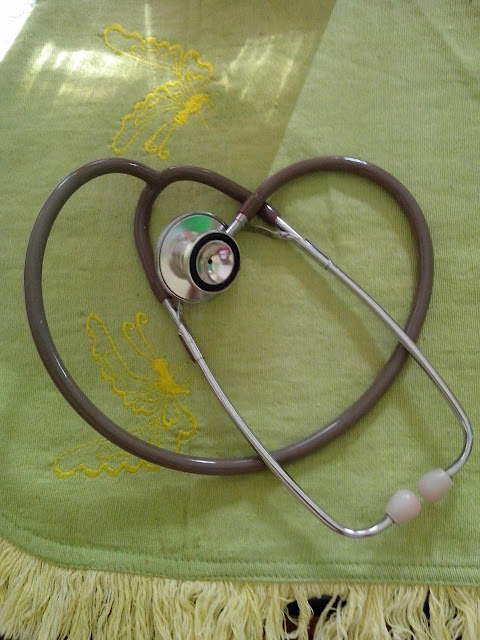
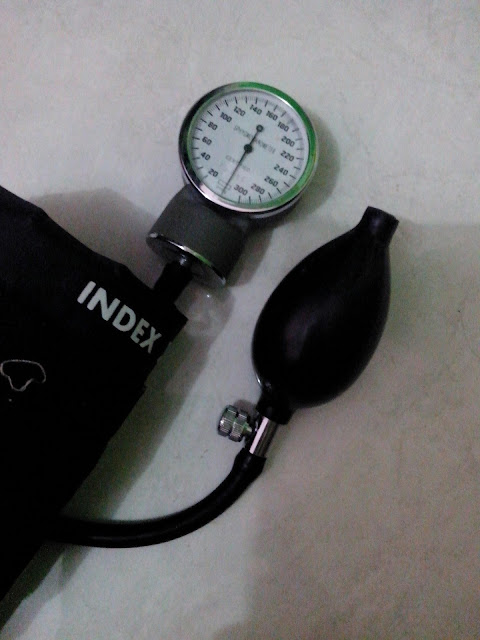
• How Stethoscope Works....

    A stethoscope is a medical device for listening to sounds inside the body. The initial stethoscope was invented in the early 19th century by French physician Ren� Laennec, but was actually trying to achieve a rather different end: doctor-patient distance....

  • Care Plan For Decreased Cardiac Output...

    Nursing diagnosis for decreased cardiac output may be related to altered myocardial contractility, inotropic changes; alterations in rate, rhythm, electrical conduction; or structural changes, such as valvular defects and ventricular aneurysm. ...

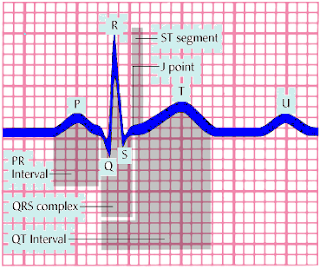
  • ECG Waveforms And Components

    The electrocardiogram (ECG) is a graphic recording ofelectric potentials generated by the heart.The signals are detected by means of metal electrodes attached to the extremities and chest wall and are then amplified and recorded by the electrocardiograph. ECG leads actually display the instantaneous differences in potential between these electrodes. ...

Showing posts with label nursing. Show all posts

Tuesday, June 13, 2017

Nursing Diagnoses Organized According to Diagnostic Divisions (continued)

Elimination—ability to excrete waste products
• Bowel Incontinence
• Constipation
• Constipation, perceived
• Constipation, risk for
• Diarrhea
• Motility, dysfunctional gastrointestinal
• Motility, risk for dysfunctional gastrointestinal
• Urinary Elimination, impaired
• Urinary Elimination, readiness for enhanced
• Urinary Incontinence, functional
• Urinary Incontinence, overflow
• Urinary Incontinence, reflex
• Urinary Incontinence, stress
• Urinary Incontinence, urge
• Urinary Incontinence, risk for urge
• Urinary Retention [acute/chronic]

Food/Fluid—ability to maintain intake of and utilize nutrients and liquids to meet physiological needs
• Breastfeeding, effective
• Breastfeeding, ineffective
• Breastfeeding, interrupted
• Dentition, impaired
• Electrolyte Imbalance, risk for
• Failure to Thrive, adult
• Feeding Pattern, ineffective infant
• Fluid Balance, readiness for enhanced
• [Fluid Volume, deficient hypertonic or hypotonic]
• Fluid Volume, deficient [isotonic]
• Fluid Volume excess
• Fluid Volume, risk for deficient
• Fluid Volume, risk for imbalanced
• Glucose Level, risk for unstable blood
• Liver Function, risk for impaired
• Nausea
• Nutrition: less than body requirements, imbalanced
• Nutrition: more than body requirements, imbalanced
• Nutrition: more than body requirements, risk for imbalanced
• Nutrition, readiness for enhanced
• Oral Mucous Membrane, impaired
• Swallowing, impaired

Hygiene—ability to perform activities of daily living
• Neglect, self
• Self-Care, readiness for enhanced
• Self-Care Deficit: bathing
• Self-Care Deficit: dressing
• Self-Care Deficit: feeding
• Self-Care Deficit: toileting

Neurosensory—ability to perceive, integrate, and respond to internal and external cues
• Confusion, acute
• Confusion, risk for acute
• Confusion, chronic
• Infant Behavior, disorganized
• Infant Behavior, risk for disorganized
• Infant Behavior, readiness for enhanced organized
• Memory, impaired
• Neglect, unilateral
• Peripheral Neurovascular Dysfunction, risk for
• Sensory Perception, disturbed (specify: visual, auditory, kinesthetic, gustatory, tactile, olfactory)
• Stress Overload
• [Thought Processes, disturbed]
Read More

Monday, June 12, 2017

Nursing Diagnoses Organized According to Diagnostic Divisions

Activity/Rest—ability to engage in necessary or desired activities of life (work and leisure) and to obtain adequate sleep and rest
• Activity Intolerance
• Activity Intolerance, risk for
• Activity Planning, ineffective
• Disuse Syndrome, risk for
• Diversional Activity, deficient
• Fatigue
• Insomnia
• Lifestyle, sedentary
• Mobility, impaired bed
• Mobility, impaired wheelchair
• Sleep, readiness for enhanced
• Sleep Deprivation
• Sleep Pattern, disturbed
• Transfer Ability, impaired
• Walking, impaired

Circulation—ability to transport oxygen and nutrients necessary to meet cellular needs
• Autonomic Dysreflexia
• Autonomic Dysreflexia, risk for
• Bleeding, risk for
• Cardiac Output, decreased
• Intracranial Adaptive Capacity, decreased
• Perfusion, ineffective peripheral tissue
• Perfusion, risk for decreased cardiac tissue
• Perfusion, risk for ineffective cerebral tissue
• Perfusion, risk for ineffective gastrointestinal
• Perfusion, risk for ineffective renal
• Shock, risk for

Ego Integrity—ability to develop and use skills and behaviors to integrate and manage life experiences
• Anxiety [specify level]
• Anxiety, death
• Behavior, risk-prone health
• Body Image, disturbed
• Conflict, decisional (specify)
• Coping, defensive
• Coping, ineffective
• Coping, readiness for enhanced
• Decision Making, readiness for enhanced
• Denial, ineffective
• Dignity, risk for compromised human
• Distress, moral
• Energy Field, disturbed
• Fear
• Grieving
• Grieving, complicated
• Grieving, risk for complicated
• Hope, readiness for enhanced
• Hopelessness
• Identity, disturbed personal
• Post-Trauma Syndrome
• Post-Trauma Syndrome, risk for
• Power, readiness for enhanced
• Powerlessness
• Powerlessness, risk for
• Rape-Trauma Syndrome
• Relationships, readiness for enhanced
• Religiosity, impaired
• Religiosity, risk for impaired
• Religiosity, readiness for enhanced
• Relocation Stress Syndrome
• Relocation Stress Syndrome, risk for
• Resilience, impaired individual
• Resilience, readiness for enhanced
• Resilience, risk for compromised
• Self-Concept, readiness for enhanced
• Self-Esteem, chronic low
• Self-Esteem, situational low
• Self-Esteem, risk for situational low
• Sorrow, chronic
• Spiritual Distress
• Spiritual Distress, risk for
• Spiritual Well-Being, readiness for enhanced
Read More

Sunday, December 27, 2015

Female Pelvic Bones

The female pelvis is structurally adapted for child bearing and delivery.
There are four pelvic bones
- innominate or hip bones
- Sacrum
- Coccyx

A. Innominate bones
Each innominate bone is composed of three parts.
1. The ilium the large flared out part
2. The ischium the thick lower part. It has a large prominance known as the ischial tuberosity on which the body rests when sitting. Behind and a little above the tuberosity is an inward projection, the ischial spine. In labour the station of the fetal head is estimated in relation to ischial spines.
3. The pubis - The pubic bone forms the anterior part. The space enclosed by the body of the pubic bone the rami and the ischium is called the obturator foramen.

B. The sacrum - awedge shaped bone consisting of five fused vertebrae. The upper border of the first sacral vertebra is known as the sacral promontary. The anterior surface of the sacrum is concave and is referred to as the hallow of the sacrum.

C. The coccyx: - is avestigial tail. It consists of four fused vertebrae forming a small triangular bone.

Pelvic Joints
There are four pelvic joints
- One Symphysis pubis
- Two Sacro illiac joint
- One Sacro coccygeal joint
- The symphysis pubis is a cartilgeous joint formed by junction of the two pubic bones along the midline.
􀂃 The sacro iliac joints are the strongest joints in the body.
- The sacro coccygeal joint is formed where the base of the coccyx articulates with the tip of the sacrum.

In non pregnant state there is very little movement in these joints but during pregnancy endocrine activity causes theligaments to soften which allows the joints to give & provide more room for the fetal head as it passes through the pelvis.

Pelvic ligaments
Each of the pelvic joints is held together by ligaments
- Interpubic ligaments at the symphysis pubis (1)
- Sacro iliac ligaments (2)
- Sacro coccygeal ligaments (1)
- Sacro tuberous ligament (2)

- Sacro spinous ligament (2)

The True Pelvis
The true pelvis is the bony canal through which the fetus must pass during birth. It has a brim, mid cavity and an out let. The pelvic brim is rounded except where the sacral promontory projects into it. The pelvic cavity is extends from the brim above to the out let below. The pelvic out let are two and described as the anatomical and the obstetrical. The anatomical out let is formed by the lower borders of each of the bones together with the sacrotuberous ligament. It is diamond in shape. The obstretrical out let is of the space between the narrow pelvic strait and the anatomical outlet.
Read More

Friday, December 25, 2015

Importance of Obstetrics and Gynecology nursing

Ensuring healthy antenatal period followed by a safe normal delivery with a healthy child and an uneventful post partum period. Prompt and efficient cares during obstetrical emergencies also prevent so many of complications. The importance of the obstetric and gynecology nursing are:
  • Equip the nurse with the knowledge and understanding of the Anatomy and physiology of reproductive organ be able to apply it in practice
  • With a good knowledge of obstetric drugs including, the effect of diseases their Complications and know how to deal with them.
  • Develop skills in carrying out antenatal care and be able to detect any abnormality, recognize and prevent complications.
  • Select high risk cases for hospital delivery and provide health education.
  • Develop skills in supporting the women in labour, maintain proper records, and deliver her safely and resuscitate her new born when necessary.
  • Be able to care for the mother and baby during the post partum period and be able to identify abnormalities and help them to get-over it.
  • Be able to educate them on care of the baby, immunization, family guidance and family spacing.
  • Be ready to offer advice to support the mother and understand her problems as a mature, kind and helpful nurse.
Read More

Friday, July 18, 2014

Achieving Healthy Mother, Baby, and Family Unit

INTRODUCTION TO MATERNITY NURSING
Providing care to childbearing families is aimed at the ideal of having every pregnancy result in a healthy mother, baby, and family unit. The nurse today faces many evolving and challenging issues in achieving this goal. Such advances as in vitro fertilization and embryo freezing have afforded people opportunities once thought impossible. An increasing number of high-risk pregnancies result from such factors as drug abuse, acquired immunodeficiency syndrome, late or no prenatal care, teenage pregnancies, and pregnancies in women older than age 35. Technologic advances in high-risk obstetric units, fetal monitoring, sonography, and neonatal intensive care units are now providing the means to improve maternal health and save fetuses and infants who would not have survived years ago.
Today's childbearing families have many options. The planned birth may take place in the traditional hospital setting, a birthing center, or at home. The primary care provider may be a physician, a certified nurse-midwife, or a lay midwife. Birth-related choices commonly include the use of labor, delivery, and recovery rooms or labor, delivery, recovery, and postpartum rooms; various birthing positions and analgesic methods; alternative pain-relief strategies such as hydrotherapy; and the decision to allow children and others to be present during labor and delivery. Regionalization of obstetric services has provided childbearing families with access to the technologic advances and skilled personnel capable of managing pregnancy or neonatal complications.
Economic changes in the health care climate have dramatically affected the practice of nursing as cost-containment considerations have shortened the hospital length of stay. Many hospitals have adopted a practice of 12- to 24-hour discharge after delivery coordinated with home health care follow-up.
This combination of advancing technology, pregnancy risk factors, and changing economics challenges the nurse to be a highly skilled clinician and outstanding communicator.
 
TERMINOLOGY USED IN MATERNITY NURSING
  • Gestation—pregnancy or maternal condition of having a developing fetus in the body.
  • Embryo—human conceptus up to the 10th week of gestation (8th week postconception).
  • Fetus—human conceptus from 10th week of gestation (8th week postconception) until delivery.
  • Viability—capability of living, usually accepted as 24 weeks, although survival is rare.
  • Gravida (G)—woman who is or has been pregnant, regardless of pregnancy outcome.
  • Nulligravida—woman who is not now and never has been pregnant.
  • Primigravida—woman pregnant for the first time.
  • Multigravida—woman who has been pregnant more than once.
  • Para (P)—refers to past pregnancies that have reached viability.
  • Nullipara—woman who has never completed a pregnancy to the period of viability. The woman may or may not have experienced an abortion.
  • Primipara—woman who has completed one pregnancy to the period of viability regardless of the number of infants delivered and regardless of the infant being live or stillborn.
  • Multipara—woman who has completed two or more pregnancies to the stage of viability.
  • Living children—refers to the number of children a woman has delivered who are living.
A woman who is pregnant for the first time is a primigravida and is described as Gravida 1 Para 0 (or G1P0). A woman who delivered one fetus carried to the period of viability and who is pregnant again is described as Gravida 2, Para 1. A woman with two pregnancies ending in abortions and no viable children is Gravida 2, Para 0.
Read More

Saturday, June 7, 2014

Urinary Incontinence Management

In elderly patients, incontinence commonly follows any loss or impairment of urinary or anal sphincter control. The incontinence may be transient or permanent. In all, about 10 million adults experience some form of urinary incontinence; this includes about 50% of the 1.5 million people in extended-care facilities. Fecal incontinence affects up to 10% of the patients in such facilities.
Contrary to popular opinion, urinary incontinence is neither a disease nor a part of normal aging. Incontinence may be caused by confusion, dehydration, fecal impaction, or restricted mobility. It's also a sign of various disorders, such as prostatic hyperplasia, bladder calculus, bladder cancer,
urinary tract infection (UTI), stroke, diabetic neuropathy, Guillain-Barrè syndrome, multiple sclerosis, prostatic cancer, prostatitis, spinal cord injury, and urethral stricture. It may also result from urethral sphincter damage after prostatectomy. In addition, certain drugs, including diuretics, hypnotics, sedatives, anticholinergics, antihypertensives, and alpha antagonists, may trigger urinary incontinence.
Urinary incontinence is classified as acute or chronic. Acute urinary incontinence results from disorders that are potentially reversible, such as delirium, dehydration, urine retention, restricted mobility, fecal impaction, infection or inflammation, drug reactions, and polyuria. Chronic urinary incontinence occurs as four distinct types: stress, overflow, urge, and functional incontinence.
In stress incontinence, leakage results from a sudden physical strain, such as a sneeze, cough, or quick movement. In overflow incontinence, urine retention causes dribbling because the distended bladder can't contract strongly enough to force a urine stream. In urge incontinence, the patient can't control the impulse to urinate. Finally, in functional (total) incontinence, urine leakage occurs despite the fact that the bladder and urethra are functioning normally. This condition is usually related to cognitive or mobility factors.
Equipment
Bladder retraining record sheet ; gloves; stethoscope (to assess bowel sounds) ; lubricant ; moisture barrier cream ; antidiarrheal or laxative suppository ; incontinence pads ; bedpan ; specimen container ; label ; laboratory request form ; optional: stool collection kit, urinary catheter.
Implementation
Whether the patient reports urinary or fecal incontinence or both, you'll need to perform initial and continuing assessments to plan effective interventions.
For urinary incontinence
  • Ask the patient when he first noticed urine leakage and whether it began suddenly or gradually. Have him describe his typical urinary pattern: Does he usually experience incontinence during the day or at night? Does he get the urge to go again immediately after emptying the bladder? Does he get strong urges to go? Ask him to rate his urinary control: Does he have moderate control, or is he completely incontinent? If he sometimes urinates with control, ask him to identify when and how much he usually urinates.
  • Evaluate related problems, such as urinary hesitancy, frequency, urgency, nocturia, and decreased force or interrupted urine stream. Ask the patient to describe any previous treatment he has had for incontinence or measures he has performed by himself. Ask about medications, including nonprescription drugs.
  • Assess the patient's environment. Is a toilet or commode readily available, and how long does the patient take to reach it? After the patient is in the bathroom, assess his manual dexterity; for example, how easily does he manipulate his clothes?
  • Evaluate the patient's mental status and cognitive function.
  • Quantify the patient's normal daily fluid intake.
  • Review the patient's medication and diet history for drugs and foods that affect digestion and elimination.
  • Review or obtain the patient's medical history, noting especially the number and route of births, hysterectomy (in women), and any incidence of UTI, prostate disorders, diabetes, spinal injury or tumor, stroke, and bladder, prostate, or pelvic surgery. Assess for such disorders as delirium, dehydration, urine retention, restricted mobility, fecal impaction, infection, inflammation, and polyuria.
  • Inspect the urethral meatus for obvious inflammation or anatomic defects. Have the female patient bear down while you note any urine leakage. Gently palpate the abdomen for bladder distention, which signals urine retention. Assess for costovertebral angle tenderness. If possible, have the patient examined by a urologist.
  • Obtain specimens for appropriate laboratory tests as ordered. Label each specimen container, and send it to the laboratory with a request form.
  • Begin incontinence management by implementing an appropriate bladder retraining program.
  • Nursing alert Obtain a 24- to 48-hour bladder diary before implementing bladder retraining.
  • To ensure healthful hydration and to prevent UTI, make sure the patient maintains an adequate daily intake of fluids (six to eight 8-oz glasses). Restrict fluid intake after 6 p.m.
  • To manage stress incontinence, begin an exercise program to help strengthen the pelvic floor muscles. (See Strengthening pelvic floor muscles.)
  • To manage functional incontinence, frequently assess the patient's mental and functional status. Regularly remind him to void. Respond to his calls promptly, and help him get to the bathroom quickly. Provide positive reinforcement.
     
Complications
Skin breakdown and infection may result from incontinence. Psychological problems resulting from incontinence include social isolation, loss of independence, lowered self-esteem, and depression.
Documentation
Record all bladder and bowel retraining efforts, noting scheduled bathroom times, food and fluid intake, and elimination amounts, as appropriate. Document the duration of continent periods. Note any complications, including emotional problems and signs of skin breakdown and infection as well as the treatments given for them.
Read More

Sunday, April 6, 2014

Geriatric Care

Today, people live longer than ever before. Although 40% of people over age 65 may occasionally require a stay in an extended-care facility, only 5% of elderly people require long-term supervised care; the rest can maintain their independence. However, about 80% of elderly people have at least one chronic health problem—usually arthritis, heart or respiratory disease, hypertension, or impaired vision or hearing. These problems commonly occur simultaneously, straining the patient's and his family's ability to function.
Geriatric care management is the professional assessment, planning, coordination, supervision and management of healthcare and quality-of-life services. It is a preventive, proactive approach to healthcare that reduces the risk of hospitalizations, nursing home admissions and healthcare costs. Assets can be preserved through planning, cost control and supervision of daily needs.
When caring for an elderly patient, you'll usually implement procedures similar to those you would use for any other adult. However, you'll need to take into account the psychosocial, physiologic, and biological changes that normally occur during aging. Because age-related changes in body function may affect drug action, you'll need to understand how certain drugs affect elderly patients. Your aim is to improve compliance and avoid adverse reactions and interactions.
A geriatric care manager will listen to the concerns of you and your loved one, visit the home and recommend options for improved quality of life, healthcare services and cost containment. Services include:
  • Special needs assessment and management
  • Creation of a full-spectrum care plan
  • Referrals to professionals and specialists
  • Coordination of services to maximize quality of life
  • Assistance with medical and financial planning
  • Daily telephone assurance service
  • Healthcare bill auditing, review and payment services
  • Surviving spouse programs
  • Alternative living arrangement assessment and planning
  • Medication management
  • Nutrition and dietary management
  • Pre- and post-hospitalization care coordination
  • Nursing home advocacy
  • Video inventory of valuables
  • Environment and safety evaluations
  • Coordination of in-home help
  • Identification and reduction of exploitation risks
  • Benefits and entitlements procurement
You'll also help an elderly patient learn to deal with other concerns, such as falls or urinary or fecal incontinence. While providing physical care, you may also alert your patient and his family to community health and social service agencies that can help improve the patient's quality of life and enable him to remain independent for as long as possible.
Read More

Saturday, March 8, 2014

Nursing Diagnoses for Planning Care

Nurses and healthcare consumers agree that nursing care is a key factor in achieving positive outcomes and enhancing client satisfaction. Nursing care is instrumental in all phases of acute care as well as in the maintenance of general wellbeing (prevention of illness, rehabilitation, and maximization of health), or where a return to health is not possible, the relief of pain and discomfort and a peaceful death. To this end, the nursing profession has identified a problem-solving process that “combines the most desirable elements of the art of nursing with the most relevant elements of systems theory, using the scientific method”.
The original concept of nursing process was a three-step process of assessment, planning, and evaluation based on the scientific method of observing, measuring, gathering data, and analyzing the findings. After years of study, use, and refinement, the three-step process was expanded. The five steps—(1) assessment, (2) problem identification, (3) planning, (4) implementation (putting the plan into action), and (5) evaluation (assessing the effectiveness of the plan and changing the plan as indicated by current needs)—are central to nursing actions and the delivery of high-quality, individualized client care in any setting.
In 1991, the ANA Standards of Clinical Nursing Practice described the client care process and standards for professional performance, providing impetus and support for the use of nursing diagnosis in the practice setting. The work of NANDA International (formerly North American Nursing Diagnosis Association) has been ongoing for more than 25 years, beginning with efforts to identify client problems/needs for which nurses are accountable. NANDA continues to develop nursing diagnostic labels, which are now being complemented by the Iowa Intervention Project: Nursing Interventions Classification (NIC) and the Iowa Outcomes Project: Nursing Outcomes Classification (NOC). NIC directs our focus to the content and process of nursing care by identifying and standardizing the care activities nurses perform while NOC describes client outcomes that are responsive to nursing intervention and developing corresponding measurement scales.
Changes in the healthcare system continue to occur, requiring the profession of nursing to define itself in a way that will complement and facilitate the provision of appropriate, cost-effective evidenced-based care to all persons. Nurses need a common framework of communication and documentation so their contribution to healthcare is recognized as being essential and they are remunerated appropriately. At the very least, nursing requires a commonality of words describing practice so it can be captured and is visible in the healthcare databases.
The linkage of nursing diagnoses to specific nursing interventions and client outcomes has led to the development of a number of standardized nursing languages (Omaha System, Clinical Care Classification, Ozbolt Patient Care Data Set, Perioperative Minimum Data Set). The purpose of these languages is to help ensure continuity of appropriate highquality nursing care for the client regardless of setting. This is accomplished in part through enhanced communication, standardization of the process evaluating the care provided, and facilitation of documentation.
Read More

Thursday, October 24, 2013

Educational and Competency Requirements for The Administration and Supply of Medications by Nurses in Rural and Remote Areas

Following are the areas of responsibility that rural and remote nurses must accept if medication management is to become part of their legal practice.

Knowledge of Medicines:
Nurses should have contemporary knowledge of pharmacology for safe and appropriate nursing practice in rural and remote communities. The nurse also must have sound knowledge and skills relating to medications in their facility’s approved medication list. Another requirement is that the nurse should have reasonable access to and familiarity with the resources available for collaboration, consultation/reference in regards to the use of medications.
Relevant and appropriate clinical educational preparation and competency assessment will support best practice in the administration and supply of medication by registered nurses in rural and remote settings.

Knowledge of Law:
The nurse must have knowledge of the statutory and common laws, which govern medication use by registered nurses, for practice.
Civil laws, statutory acts and regulations establish the standard of the delivery of appropriate and safe care to patients. Knowledge of the legislative requirements is essential to ensure registered nurses’ practise within the law.

Assessment of Competency:
The practice of initiating, administering and supplying medications in rural or remote areas should be confined to registered nurses who have demonstrated competency in these areas.
An assessment of competency should include:
  • Knowledge and skills for patient assessment and diagnosis
  • An examination of medication knowledge.
  • A test of competency in medication calculations.
  • Knowledge of the medication schedules as they impact on clinical practice.
  • A clinical/practical assessment of compliance with protocols in the practice context.
Knowledge of clinical assessment and medication use is essential to enable the nurse to make an informed decision about the initiation of safe and appropriate treatment. Competency in medication/IV calculations may reduce the risk of dose/rate errors. It is the nurse’s responsibility to have knowledge of current schedules to practise in accordance with the relevant legislation. Current literature indicates that a significant number of nursing students have serious numeracy skill deficits and that even if these skills are mastered, they can deteriorate if not continually exercised.

Read More

Friday, September 6, 2013

Essential Skills For Assessment In Nursing Process Steps

Assessment requires the use of the skills needed for interviewing, conducting a physical examination, and observing patients. As with the nursing process itself, these skills are not used one at a time. While you are interviewing the patient, you are also observing and determining physical areas that require a detailed physical assessment. While completing a physical assessment, you are asking questions (interviewing) and observing the patient’s physical appearance as well as the patient’s response to the physical examination.

Interviewing generally starts with gathering data for the nursing history. In this interview, you ask for general demographic information such as name, address, date of last hospitalization, age, allergies, current medications, and the reason the patient was admitted. Depending on the agency’s admission form, you may then progress to other specific questions or a physical assessment.

The physical assessment calls for four skills: inspection, palpation, percussion, and auscultation. Inspection means careful and systematic observation throughout the physical examination, such as observation for and recording of any skin lesions. Palpation is assessment by feeling and touching the patient. Assessing the differences in temperature between a patient’s upper and lower arm would be an example of palpation. Another common example of palpation is breast self-examination. Percussion involves touching, tapping, and listening. Percussion allows determination of the size, density, locations, and boundaries of the organs. Percussion is usually performed by placing the index or middle finger of one hand firmly on the skin and striking with the middle finger of the other hand. The resultant sound is dull if the body is solid under the fingers (such as at the location of the liver) and hollow if there is a body cavity under the finger (such as at the location of the abdominal cavity). Auscultation involves listening with a stethoscope and is used to help assess respiratory, circulatory, and gastrointestinal status.

The physical assessment may be performed using a head-to-toe approach, a body system approach, or a functional health pattern approach. In the head-to-toe approach, you begin with the patient’s general appearance and vital signs. You then progress, as the name indicates, from the head to the extremities.

The body system approach to physical assessment focuses on the major body systems. As the nurse is conducting the nursing history interview, she or he will get a firm idea of which body systems need detailed examination. An example is a cardiovascular examination, where the apical and radial pulses, blood pressure (BP), point of maximum intensity (PMI), heart sounds, and peripheral pulses are examined.

The functional health pattern approach is based on Gordon’s Functional Health Patterns typology and allows the collection of all types of data according to each pattern. This is the approach used by this book and leads to three levels of assessment. First is the overall admission assessment, where each pattern is assessed through the collection of objective and subjective data. This assessment indicates patterns that need further attention, which requires implementation of the second level of pattern assessment. The second level of pattern assessment indicates which nursing diagnoses within the pattern might be pertinent to this patient, which leads to the third level of assessment, the defining characteristics for each individual nursing diagnosis. Having a three-tiered assessment might seem complicated, but each assessment is so closely related that completion of the assessment is easy. A primary advantage in using this type of assessment is the validation it gives to the nurse that the resulting nursing diagnosis is the most correct diagnosis. Another benefit to using this type of assessment is that grouping of data is already accomplished and does not have to be a separate step.

 
Read More

Care Plan Or Planning Of Care?

Revisions of nursing standards created questions regarding the necessity of nursing care plans. Some have predicted the rapid demise of the care plan, according to Brider, but review of the revised nursing standards shows that the standards require not less but more detailed care planning documentation in the patient’s medical record.

Review of the new criteria indicates that the standards require documentation related to the nursing process. For example, the plan of care statement reads:

A plan, based on data gathering during patient assessment, that identifies the patient’s care needs, tests the strategy for providing services to meet those needs, documents treatment goals or objectives, outlines the criteria for terminating specified interventions, and documents the individual’s progress in meeting specified goals and objectives. The format of the “plan” in some organizations may be guided by patient-specific policies and procedures, protocols, practice guidelines, clinical paths, care maps, or a combination of these. The plan of care may include care, treatment, habilitation and rehabilitation.

Rather than eliminating care plans, the requirements call for a more specific as well as a more permanent documentation of the plan of care. This documentation must be in the medical record. The standard indicates that a separate care plan form is no longer necessary; however, the standard also still allows a separate care plan form. Various institutions are now testing flexible ways of documenting care planning. The care plan is not dead; rather, it is revised to more clearly reflect the important role of nursing in the patient’s care. No longer a separate, often discarded, and irrelevant page, the plan of care must be part of the permanent record. The flow sheets developed for this book offer guidelines for computerizing information regarding nursing care.

Faculty can use the revised standards to assist students in developing expertise beyond writing extensive nursing care plans. This additional expertise requires the new graduate to integrate all phases of the nursing process into the permanent record. Rather than eliminating the need for care planning and nursing diagnosis, the standards have reinforced the importance of nursing care and nursing diagnosis.

 
Read More

Wednesday, August 28, 2013

Electrocardiography: Equipment Preparation

One of the most valuable and frequently used diagnostic tools, electrocardiography (ECG) measures the heart's electrical activity as waveforms. Impulses moving through the heart's conduction system create electric currents that can be monitored on the body's surface. Electrodes attached to the skin can detect these electric currents and transmit them to an instrument that produces a record (the electrocardiogram) of cardiac activity.
ECG can be used to identify myocardial ischemia and infarction, rhythm and conduction disturbances, chamber enlargement, electrolyte imbalances, and drug toxicity.
The standard 12-lead ECG uses a series of electrodes placed on the extremities and the chest wall to assess the heart from 12 different views (leads). The 12 leads consist of three standard bipolar limb leads (designated I, II, III), three unipolar augmented leads (aVR, aVL, aVF), and six unipolar precordial leads (V1 to V6). The limb leads and augmented leads show the heart from the frontal plane. The precordial leads show the heart from the horizontal plane.
The ECG device measures and averages the differences between the electrical potential of the electrode sites for each lead and graphs them over time. This creates the standard ECG complex, called PQRST. The P wave represents atrial depolarization; the QRS complex, ventricular depolarization; and the T wave, ventricular repolarization. (See Reviewing ECG waveforms and components.)
Variations of standard ECG include exercise ECG (stress ECG) and ambulatory ECG (Holter monitoring). Exercise ECG monitors heart rate, blood pressure, and ECG waveforms as the patient walks on a treadmill or pedals a stationary bicycle. For ambulatory ECG, the patient wears a portable Holter monitor to record heart activity continually over 24 hours.
Today, ECG is typically accomplished using a multichannel method. All electrodes are attached to the patient at once, and the machine prints a simultaneous view of all leads.

Equipment
ECG machine ; recording paper ; disposable pregelled electrodes ; 4″ × 4″ gauze pads ; optional: clippers, marking pen.

Preparation of equipment
Place the ECG machine close to the patient's bed, and plug the power cord into the wall outlet. If the patient is already connected to a cardiac monitor, remove the electrodes to accommodate the precordial leads and minimize electrical interference on the ECG tracing. Keep the patient away from objects that might cause electrical interference, such as equipment, fixtures, and power cords.
Read More

Tuesday, August 27, 2013

Cardiovascular Disorders: The Leading Cause of Death

The responsibility of caring for patients with these disorders pervades nearly every area of nursing practice. As a result, cardiovascular care ranks as one of the most rapidly growing areas of nursing. In addition, it's one of the most rapidly changing fields, with the continuing proliferation of new diagnostic tests, new drugs and other treatments, and sophisticated monitoring equipment. Consequently, nurses face a constant challenge to keep up with the latest developments.
Today, nurses assume much of the responsibility for preparing patients physically and psychologically for their hospitalization and ongoing care. Specifically, they play a pivotal role in teaching patients and their families about test and procedure preparation and follow-up care, drugs and other treatments, disease prevention, and lifestyle modification. Through patient teaching, nurses can help patients reduce stress and comply with prescribed therapy.
Cardiac and hemodynamic monitoring represent critical cardiovascular care responsibilities. Cardiac monitoring involves either hardwire or telemetric systems that continuously record the patient's cardiac activity. This makes monitoring useful not only for assessing cardiac rhythm, but also for gauging a patient's response to drug therapy and for preventing complications associated with diagnostic and therapeutic procedures. Once used only in critical care areas, cardiac monitoring is now performed in high-risk obstetric, general medical, pediatric, and transplantation departments.
Similarly, hemodynamic monitoring has become more widely used since its inception in the 1970s. It uses invasive techniques to measure pressure, flow, and resistance within the cardiovascular system. Made with a pulmonary artery (PA) catheter, these measurements are used to guide therapy. Hemodynamic monitoring includes pulmonary artery pressure monitoring, cardiac output measurement, right ventricular ejection fraction and volume measurement, temporary pacing through the PA catheter, and continuous evaluation of mixed venous oxygen saturation.
In cardiovascular emergencies, nurses may perform or assist with cardiopulmonary resuscitation, defibrillation, cardioversion, and temporary pacing. Carrying out these life-saving procedures calls for in-depth knowledge of cardiovascular anatomy, physiology, and equipment as well as sound assessment and intervention techniques. Only nurses with up-to-date information and sharpened skills can provide safe, effective patient care.
Read More

Saturday, August 24, 2013

Focus Charting System As Nursing Documentation Tool

The Focus Charting system has been designed by nurses for documentation of frequent/repetitive care and to encourage viewing the client from a positive rather than a negative (problem only) perspective. Charting is focused on client and nursing concerns, with the focal point of client status and the associated nursing care. A Focus is usually a client problem/concern or nursing diagnosis but is not a medical diagnosis or a nursing task/treatment (e.g., wound care, indwelling catheter insertion, tube feeding).
We track what is happening to the client at any given moment by recording of assessment, interventions, and evaluation using Data, Action, and Response (DAR) categories. Thus, the four components of this charting system are:
  1. Focus: Nursing diagnosis, client problem/concern, signs/ symptoms of potential importance (e.g., fever, dysrhythmia, edema), a significant event or change in status or specific standards of care/agency policy.
  2. Data: Subjective/objective information describing and/or supporting the Focus.
  3. Action: Immediate/future nursing actions based on assessment and consistent with/complementary to the goals and nursing action recorded in the client plan of care.
  4. Response: Describes the effects of interventions and whether the goal was met.

You can find charting examples that based on the data within the client situation by using google search.
Read More

Basic Procedures That Must Be Understood By Every Nurse

Patients come to the hospital and other health facilities because they require skilled clinical observation and treatment. Millions of people hospitalized each year, and for the most part, it was a trying experience. Inpatient care dealing with patients' needs for privacy and control of his life. He should release at least part of the normal routine. He had to rely on you and your co-workers to meet basic needs. Depending on the complexity of health problems, he and his family may also require teaching, counseling, coordination of care, development of community support systems, and help in coping with changes related to health in his life.
Some broader aims of your care are helping the patient cope with restricted mobility; giving him a comfortable, stimulating environment; making sure his stay is free from hazards; promoting an uneventful recovery; and helping him return to his normal life.
Each time the patient's condition deter or prevent mobility, then your nursing goals include promoting independence by motivating him, helped him set goals, to prevent injury and complications of immobility, he teaches the skills needed, and encourage a positive body image, especially if he faces a long term or permanent immobility.
Besides weakening the patient, illness and any accompanying treatment may impair his judgment and contribute to accidents. Be alert to hazards in the patient's environment, and teach him and his family to recognize and correct them. When caring for a patient with restricted mobility, you must help him as he's moved, lifted, and transported. By using proper body mechanics and appropriate assistive devices, you can prevent injury, fatigue, and discomfort for the patient and yourself. To prevent complications, be sure to use correct positioning, meticulous skin care, assistive devices, and regular turning and range-of-motion exercises.
The first step toward rehabilitation typically is progressive ambulation, which should begin as soon as possible if necessary, using such assistive devices as a cane, crutches, or a walker. Demonstrating a technique such as transferring from a bed to a wheelchair during hospitalization helps the patient and his family to understand it. Allowing them to practice it under your supervision gives them the confidence to perform it at home. Encourage them to provide positive reinforcement to motivate the patient to work toward his goals.
 
Read More
Powered by Blogger.

Search This Blog