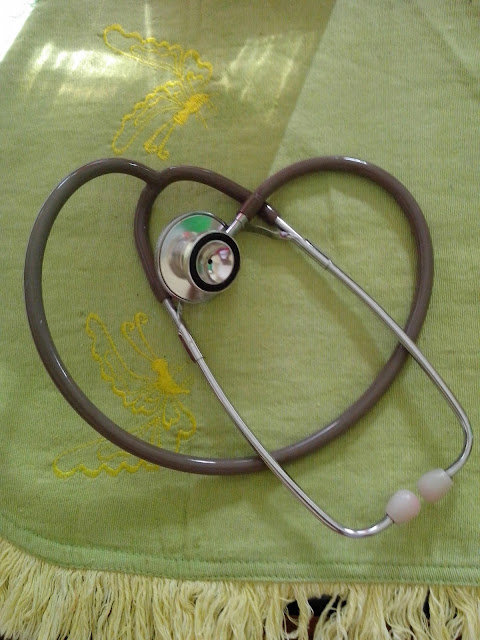
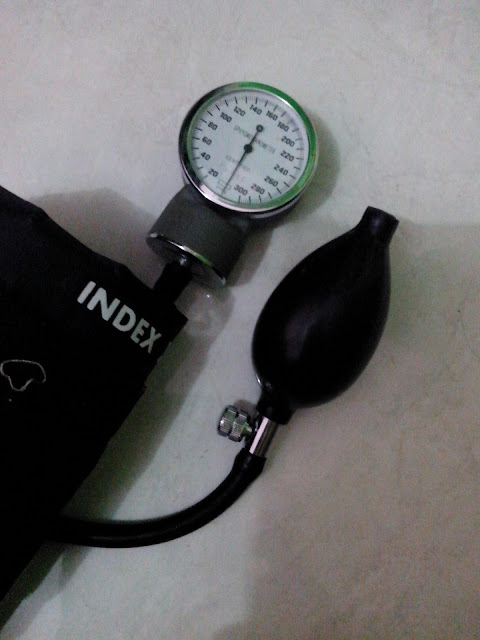
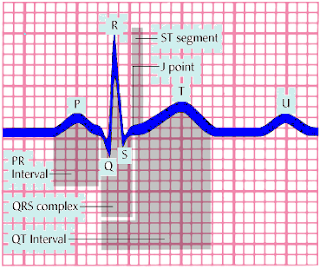
A stethoscope is a medical device for listening to sounds inside the body. The initial stethoscope was invented in the early 19th century by French physician Ren� Laennec, but was actually trying to achieve a rather different end: doctor-patient distance....
Tuesday, April 18, 2017
Reference Ranges—Hematology and Coagulation
|
Reference Ranges—Hematology and Coagulation
| ||||||||||||||||||||||||||||||||||||||||||||||||||||||||||||||||||||||||||||||||||||||||||||||||||||||||||||||||||||||||||||
|---|---|---|---|---|---|---|---|---|---|---|---|---|---|---|---|---|---|---|---|---|---|---|---|---|---|---|---|---|---|---|---|---|---|---|---|---|---|---|---|---|---|---|---|---|---|---|---|---|---|---|---|---|---|---|---|---|---|---|---|---|---|---|---|---|---|---|---|---|---|---|---|---|---|---|---|---|---|---|---|---|---|---|---|---|---|---|---|---|---|---|---|---|---|---|---|---|---|---|---|---|---|---|---|---|---|---|---|---|---|---|---|---|---|---|---|---|---|---|---|---|---|---|---|---|
| ||||||||||||||||||||||||||||||||||||||||||||||||||||||||||||||||||||||||||||||||||||||||||||||||||||||||||||||||||||||||||||
Ethical Core Concepts of Nursing Practice
Professional nurses occupy the frontlines of the health care arena.
So, it is no surprise that they are the part of the health care team patients
trust most with their health and welfare. Along with this privilege, nurses
carry equal duties of responsibility and accountability to follow ethical
principles and standards of care integral to the profession. Greater efforts
must be made from within the profession to apply evidence-based research data to
daily practice systematically and deliberately, thereby increasing patient
safety, improving outcomes, and reducing risk and adverse events. Transformation
of the professional culture within the health care system itself would give
nurses at the bedside the incentive to join in these efforts as full partners
with leaders in health care. Additional measures might include protocol
implementation, preceptor performance review, peer review, continuing education,
patient satisfaction surveys, and the implementation of risk management
techniques. However, in certain instances, either despite or in the absence of
such internal mechanisms, claims are made for an alleged injury or alleged
malpractice liability. Although the vast majority of claims may be without
merit, many professional nurses will have to deal with the unfamiliar legal
system. A system of ethical principles and standards of care will be beneficial
in such situations. Therefore, it is preferable for the nursing profession to
incorporate certain ethical and legal principles and protocols into practice to
make sure that the patient receives only safe and appropriate care.
Clinical ethics literature identifies four principles and values
that are integral to the professional nurse's practice: the nurse's ethical duty
to respect the patient's autonomy and to act with beneficence, nonmaleficence,
and justice.
RESPECT FOR THE INDIVIDUAL AND HIS AUTONOMY
-
Respect for the individual's autonomy incorporates principles of freedom of choice, self-determination, and privacy.
-
The professional nurse's duty is to view and treat each individual as an autonomous, self-determining person with the freedom to act in accordance with self-chosen, informed goals, as long as the action does not interfere or infringe on the autonomous action of another.
-
See the National League of Nursing Statement on Patients' Rights (see Box 2-1).
-
The Joint Commission has established National Patient Safety Goals based on such settings as ambulatory care, assisted living, and the facility. See www.jointcommission.org/patientsafety/nationalpatientsafetygoals for more information.
BENEFICENCE
The principle of beneficence affirms the inherent professional
aspiration and duty to help promote the well-being of others and, often, is the
primary motivating factor for those who choose a career in the health care
profession. Health care professionals aspire to help people achieve a better
life through an improved state of health.
NONMALEFICENCE
-
The principle of nonmaleficence complements beneficence and obligates the professional nurse not to harm the patient directly or with intent.
-
It is best to seek to promote a balance of potential riskinduced harms with benefits, with the basic guideline being to strive to maximize expected benefits and minimize possible harms. Therefore, nonmaleficence should be balanced with beneficence.
JUSTICE
-
Justice, or fairness, relates to the distribution of services and resources.
-
As the health care dollar becomes increasingly more scarce, justice seeks to allocate resources fairly and treat patients equally.
-
Dilemmas arise when resources are scarce and insufficient to meet the needs of everyone. How do we decide fairly who gets what in such situations?
-
One might consider whether it is just or fair for many people not to have funding or access to the most basic preventive care, whereas others have insurance coverage for expensive and long-term hospitalizations.
-
Along with respect for people and their autonomy, the complex principle of justice is a culturally comfortable principle in countries such as the United States. Nonetheless, the application of justice is complex and often challenging.
Monday, April 25, 2016
Preventing Patient Falls
Falls are a major cause of injury and death among elderly people. In fact, the
older the person, the more likely he is to die of a fall or its complications.
Factors that contribute to falls among elderly patients include lengthy
convalescent periods, a greater risk of incomplete recovery, medications,
increasing physical disability, and impaired vision or hearing.
If you're helping a fallen patient, send an assistant to collect
the assessment or resuscitation equipment you need.
Preventing
Assess your patient's risk of falling at least once each shift (or
at least every 3 months if the patient is in a long-term care facility). Your
facility may require more frequent assessments. Note any changes in his
condition -such as decreased mental status- that increase his chances of
falling. If you decide that he's at risk, take steps to reduce the danger.
Correct potential dangers in the patient's room. Position the call
light so that he can reach it. Provide adequate nighttime
lighting.
Place the patient's personal belongings and aids (purse, wallet,
books, tissues, urinal, commode, cane or walker) within easy reach.
Instruct him to rise slowly from a supine position to avoid possible dizziness and loss of balance.
Keep the bed in its lowest position so the
patient can easily reach the floor when he gets out of bed. This also reduces the distance to the floor in case he
falls. Lock the bed's wheels. If side rails are to be raised, observe the
patient frequently.
Advise the patient to wear nonskid footwear.
Respond promptly to the patient's call light to
help limit the number of times he gets out of bed without help.
Check the patient at least every 2 hours. Check a high-risk patient
every 30 minutes.
Alert other caregivers to the patient's risk of falling and to the
interventions you've implemented.
Consider other precautions, such as placing two high-risk patients
in the same room and having someone with them at all times.
Encourage the patient to perform active range-of-motion (ROM)
exercises to improve flexibility and coordination.
Monday, January 18, 2016
Common Signs of a Sleep Disorder
Look over this list of common signs of a sleep disorders, and talk to your doctor if you have any of them:
- It takes you more than 30 minutes to fall asleep at night.
- You awaken frequently in the night and then have trouble falling back to sleep again.
- You awaken too early in the morning.
- You frequently don’t feel well rested despite spending 7–8 hours or more asleep at night.
- You feel sleepy during the day and fall asleep within 5 minutes if you have an opportunity to nap, or you fall asleep at inappropriate times during the day.
- Your bed partner claims you snore loudly, snort, gasp, or make choking sounds while you sleep, or your partner notices your breathing stops for short periods.
- You have creeping, tingling, or crawling feelings in your legs that are relieved by moving or massaging them, especially in the evening and when you try to fall asleep.
- You have vivid, dreamlike experiences while falling asleep or dozing.
- You have episodes of sudden muscle weakness when you are angry, fearful, or when you laugh.
- You feel as though you cannot move when you first wake up.
- Your bed partner notes that your legs or arms jerk often during sleep.
- You regularly need to use stimulants to stay awake during the day.
Also keep in mind that, although children can show some of these same signs of a sleep disorder, they often do not show signs of excessive daytime sleepiness. Instead, they may seem overactive and have difficulty focusing and concentrating. They also may not do their best in school.
Monday, January 4, 2016
Which Pediatrician Should We Choose?
They’re skilled listeners, and can pick up the cues of what’s said between the lines to know what’s really worrying a parent. Children feel at ease around a good pediatrician, so exams are more thorough and enjoyable. If you’ve found your dream pediatrician, your children will look forward to their visits. You’ll be relying on the pediatrician’s office, too: How well is it run? How good is the staff? If their office is poorly run, even great pediatricians won’t be able to keep parents happy.
Pediatricians come in all shapes and personalities. Which one to choose often comes down to personal preference and comfort.
Old versus Young
The stereotype is that older doctors have more years of valuable experience, and younger doctors are more up-to-date on the latest research and techniques. There’s some truth in this. Whether you end up favoring youth versus experience, you’ll want to work with doctors who keep up on their reading and maintain a healthy curiosity about children’s health. Any doctor, young or old, who feels they already know all they need to know is someone you should avoid. If your gut feeling is that you’d prefer a doctor with some grey hairs, go with that; if you think your children would prefer a younger physician, go that route. Either way can be fine, as long as you are confident and comfortable with your pediatrician’s skills and experience.
I’m sometimes asked if I have children, or if a pediatrician needs to have children to be competent. Although I’ve certainly learned a tremendous amount from my own three kids, I think pediatricians who keep their minds open and really watch children will be able to learn what they need to know, even if they don’t have children of their own.
Man versus Woman
Most general pediatricians coming out of training are now women, so it’s going to get more difficult to find a male pediatrician in the future. If you’ve got your own comfort zone about who seems more competent, go with your gut. Most younger children don’t care whether their doctor is a man or woman, but many teenagers do. Though you may have to change doctors in ten years, don’t get too concerned about matching the genders of your baby and your pediatrician.
Personality Types
Some doctors are quiet and thoughtful; some are kind of kooky. Some are quite direct, and don’t beat around the bush; some are much more “gentle” in the way they communicate. Some doctors become more emotionally attached to their families and might act more “friendly”; others prefer to maintain a profession detachment. These and many other aspects of a pediatrician’s personality may fit better or worse with what you’re looking for. Meet a variety of doctors until you find one that “clicks” for you.
Availability
An otherwise excellent pediatrician with commitments to teaching, research, or other matters may not be regularly available. This may matter more to you if your children are younger or have special health needs that require more frequent visits to a doctor who knows them well.
Sunday, December 27, 2015
Female Pelvic Bones
The female pelvis is structurally adapted for child bearing and delivery.
There are four pelvic bones
- innominate or hip bones
- Sacrum
- Coccyx
There are four pelvic bones
- innominate or hip bones
- Sacrum
- Coccyx
A. Innominate bones
Each innominate bone is composed of three parts.
1. The ilium the large flared out part
2. The ischium the thick lower part. It has a large prominance known as the ischial tuberosity on which the body rests when sitting. Behind and a little above the tuberosity is an inward projection, the ischial spine. In labour the station of the fetal head is estimated in relation to ischial spines.
3. The pubis - The pubic bone forms the anterior part. The space enclosed by the body of the pubic bone the rami and the ischium is called the obturator foramen.
Each innominate bone is composed of three parts.
1. The ilium the large flared out part
2. The ischium the thick lower part. It has a large prominance known as the ischial tuberosity on which the body rests when sitting. Behind and a little above the tuberosity is an inward projection, the ischial spine. In labour the station of the fetal head is estimated in relation to ischial spines.
3. The pubis - The pubic bone forms the anterior part. The space enclosed by the body of the pubic bone the rami and the ischium is called the obturator foramen.
B. The sacrum - awedge shaped bone consisting of five fused vertebrae. The upper border of the first sacral vertebra is known as the sacral promontary. The anterior surface of the sacrum is concave and is referred to as the hallow of the sacrum.
C. The coccyx: - is avestigial tail. It consists of four fused vertebrae forming a small triangular bone.
Pelvic Joints
There are four pelvic joints
- One Symphysis pubis
- Two Sacro illiac joint
- One Sacro coccygeal joint
- The symphysis pubis is a cartilgeous joint formed by junction of the two pubic bones along the midline.
The sacro iliac joints are the strongest joints in the body.
- The sacro coccygeal joint is formed where the base of the coccyx articulates with the tip of the sacrum.
In non pregnant state there is very little movement in these joints but during pregnancy endocrine activity causes theligaments to soften which allows the joints to give & provide more room for the fetal head as it passes through the pelvis.
Pelvic ligaments
Each of the pelvic joints is held together by ligaments
- Interpubic ligaments at the symphysis pubis (1)
- Sacro iliac ligaments (2)
- Sacro coccygeal ligaments (1)
- Sacro tuberous ligament (2)
- Sacro spinous ligament (2)
The True Pelvis
The true pelvis is the bony canal through which the fetus must pass during birth. It has a brim, mid cavity and an out let. The pelvic brim is rounded except where the sacral promontory projects into it. The pelvic cavity is extends from the brim above to the out let below. The pelvic out let are two and described as the anatomical and the obstetrical. The anatomical out let is formed by the lower borders of each of the bones together with the sacrotuberous ligament. It is diamond in shape. The obstretrical out let is of the space between the narrow pelvic strait and the anatomical outlet.
Pelvic Joints
There are four pelvic joints
- One Symphysis pubis
- Two Sacro illiac joint
- One Sacro coccygeal joint
- The symphysis pubis is a cartilgeous joint formed by junction of the two pubic bones along the midline.
The sacro iliac joints are the strongest joints in the body.
- The sacro coccygeal joint is formed where the base of the coccyx articulates with the tip of the sacrum.
In non pregnant state there is very little movement in these joints but during pregnancy endocrine activity causes theligaments to soften which allows the joints to give & provide more room for the fetal head as it passes through the pelvis.
Pelvic ligaments
Each of the pelvic joints is held together by ligaments
- Interpubic ligaments at the symphysis pubis (1)
- Sacro iliac ligaments (2)
- Sacro coccygeal ligaments (1)
- Sacro tuberous ligament (2)
- Sacro spinous ligament (2)
The True Pelvis
The true pelvis is the bony canal through which the fetus must pass during birth. It has a brim, mid cavity and an out let. The pelvic brim is rounded except where the sacral promontory projects into it. The pelvic cavity is extends from the brim above to the out let below. The pelvic out let are two and described as the anatomical and the obstetrical. The anatomical out let is formed by the lower borders of each of the bones together with the sacrotuberous ligament. It is diamond in shape. The obstretrical out let is of the space between the narrow pelvic strait and the anatomical outlet.
Friday, December 25, 2015
Importance of Obstetrics and Gynecology nursing
Ensuring healthy antenatal period followed by a safe normal delivery with a healthy child and an uneventful post partum period. Prompt and efficient cares during obstetrical emergencies also prevent so many of complications. The importance of the obstetric and gynecology nursing are:
- Equip the nurse with the knowledge and understanding of the Anatomy and physiology of reproductive organ be able to apply it in practice
- With a good knowledge of obstetric drugs including, the effect of diseases their Complications and know how to deal with them.
- Develop skills in carrying out antenatal care and be able to detect any abnormality, recognize and prevent complications.
- Select high risk cases for hospital delivery and provide health education.
- Develop skills in supporting the women in labour, maintain proper records, and deliver her safely and resuscitate her new born when necessary.
- Be able to care for the mother and baby during the post partum period and be able to identify abnormalities and help them to get-over it.
- Be able to educate them on care of the baby, immunization, family guidance and family spacing.
- Be ready to offer advice to support the mother and understand her problems as a mature, kind and helpful nurse.
Subscribe to:
Posts (Atom)
Powered by Blogger.