The responsibility of caring for patients with these disorders pervades nearly every area of nursing practice. As a result, cardiovascular care ranks as one of the most rapidly growing areas of nursing. In addition, it's one of the most rapidly changing fields, with the continuing proliferation of new diagnostic tests, new drugs and other treatments, and sophisticated monitoring equipment. Consequently, nurses face a constant challenge to keep up with the latest developments.
Today, nurses assume much of the responsibility for preparing patients physically and psychologically for their hospitalization and ongoing care. Specifically, they play a pivotal role in teaching patients and their families about test and procedure preparation and follow-up care, drugs and other treatments, disease prevention, and lifestyle modification. Through patient teaching, nurses can help patients reduce stress and comply with prescribed therapy.
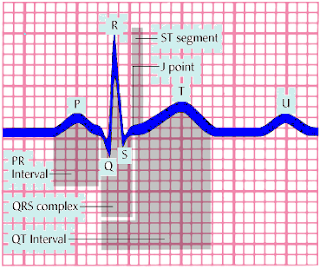
Cardiac and hemodynamic monitoring represent critical cardiovascular care responsibilities. Cardiac monitoring involves either hardwire or telemetric systems that continuously record the patient's cardiac activity. This makes monitoring useful not only for assessing cardiac rhythm, but also for gauging a patient's response to drug therapy and for preventing complications associated with diagnostic and therapeutic procedures. Once used only in critical care areas, cardiac monitoring is now performed in high-risk obstetric, general medical, pediatric, and transplantation departments.
Similarly, hemodynamic monitoring has become more widely used since its inception in the 1970s. It uses invasive techniques to measure pressure, flow, and resistance within the cardiovascular system. Made with a pulmonary artery (PA) catheter, these measurements are used to guide therapy. Hemodynamic monitoring includes pulmonary artery pressure monitoring, cardiac output measurement, right ventricular ejection fraction and volume measurement, temporary pacing through the PA catheter, and continuous evaluation of mixed venous oxygen saturation.
In cardiovascular emergencies, nurses may perform or assist with cardiopulmonary resuscitation, defibrillation, cardioversion, and temporary pacing. Carrying out these life-saving procedures calls for in-depth knowledge of cardiovascular anatomy, physiology, and equipment as well as sound assessment and intervention techniques. Only nurses with up-to-date information and sharpened skills can provide safe, effective patient care.
Read More