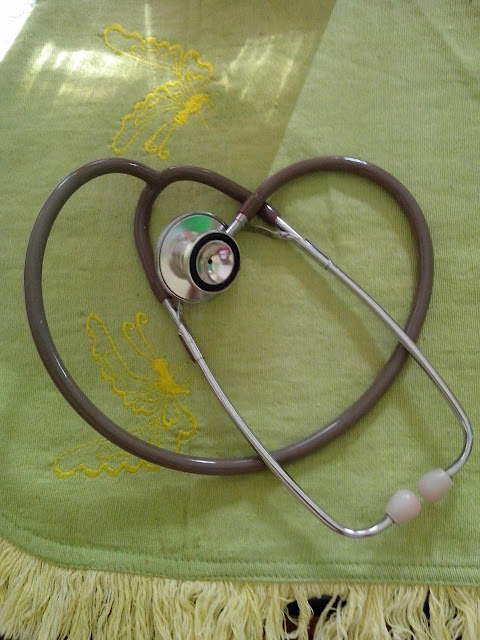
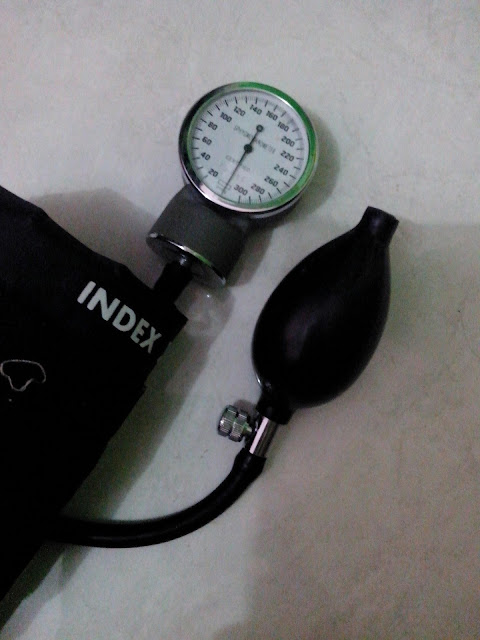
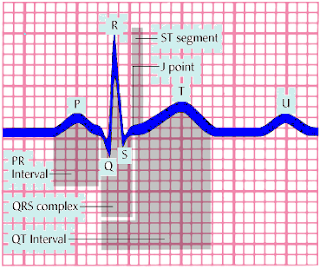
A stethoscope is a medical device for listening to sounds inside the body. The initial stethoscope was invented in the early 19th century by French physician Ren� Laennec, but was actually trying to achieve a rather different end: doctor-patient distance....
Showing posts with label Geriatric. Show all posts
Monday, April 25, 2016
Preventing Patient Falls
Falls are a major cause of injury and death among elderly people. In fact, the
older the person, the more likely he is to die of a fall or its complications.
Factors that contribute to falls among elderly patients include lengthy
convalescent periods, a greater risk of incomplete recovery, medications,
increasing physical disability, and impaired vision or hearing.
If you're helping a fallen patient, send an assistant to collect
the assessment or resuscitation equipment you need.
Preventing
Assess your patient's risk of falling at least once each shift (or
at least every 3 months if the patient is in a long-term care facility). Your
facility may require more frequent assessments. Note any changes in his
condition -such as decreased mental status- that increase his chances of
falling. If you decide that he's at risk, take steps to reduce the danger.
Correct potential dangers in the patient's room. Position the call
light so that he can reach it. Provide adequate nighttime
lighting.
Place the patient's personal belongings and aids (purse, wallet,
books, tissues, urinal, commode, cane or walker) within easy reach.
Instruct him to rise slowly from a supine position to avoid possible dizziness and loss of balance.
Keep the bed in its lowest position so the
patient can easily reach the floor when he gets out of bed. This also reduces the distance to the floor in case he
falls. Lock the bed's wheels. If side rails are to be raised, observe the
patient frequently.
Advise the patient to wear nonskid footwear.
Respond promptly to the patient's call light to
help limit the number of times he gets out of bed without help.
Check the patient at least every 2 hours. Check a high-risk patient
every 30 minutes.
Alert other caregivers to the patient's risk of falling and to the
interventions you've implemented.
Consider other precautions, such as placing two high-risk patients
in the same room and having someone with them at all times.
Encourage the patient to perform active range-of-motion (ROM)
exercises to improve flexibility and coordination.
Tuesday, September 8, 2015
HOW CAN I RECOGNIZE ADVERSE REACTIONS IN ELDERLY PATIENT?
RECOGNIZING COMMON ADVERSE REACTIONS IN ELDERLY PATIENT
Common signs and symptoms of adverse reactions to medications include hives,
impotence, incontinence, stomach upset, and rashes. Elderly patients are
especially susceptible and may experience serious adverse reactions, such as
orthostatic hypotension, dehydration, altered mental status, anorexia, blood
disorders, and tardive dyskinesia.
In order to recognize and to prevent ADRs (including drug interactions),
good communication is crucial, and prescribers should develop an
effective therapeutic partnership with the patient and with fellow
health professionals.
Some adverse reactions, such as anxiety, confusion, and
forgetfulness, may be dismissed as typical elderly behavior rather than
recognized as drug effects. Adverse drug reactions should be reported to a
pharmacist, physician, or nurse practitioner.
Orthostatic hypotension
Marked by light-headedness or faintness and unsteady footing,
orthostatic hypotension occurs as a common adverse effect of antidepressant,
antihypertensive, antipsychotic, and sedative medications.
To prevent accidents such as falls, warn the patient not to sit up
or get out of bed too rapidly. Instruct him to call for assistance in walking if
he feels dizzy or faint.
Dehydration
If the patient is taking diuretics such as hydrochlorothiazide, be
alert for dehydration and electrolyte imbalances. Monitor blood levels and
provide potassium supplements as ordered.
Oral dryness results from many medications. If anticholinergic
medications cause dryness, suggest sucking on sugarless candy or using
over-the-counter saliva substitutes for relief.
Altered mental status
Agitation or confusion may follow ingestion of alcohol or
anticholinergic, antidiuretic, antihypertensive, antipsychotic, antianxiety, and
antidepressant medications. Paradoxically, depression is a common adverse effect
of antidepressant medications.
Anorexia
This is a warning sign of toxicity—especially from digitalis
glycosides, bronchodilators, and antihistamines. That's why the physician
usually prescribes a very low initial dose.
Blood disorders
If the patient takes an anticoagulant such as warfarin, watch for
signs of easy bruising or bleeding (such as excessive bleeding after
toothbrushing). Easy bruising or bleeding may be a sign of other problems, such
as blood dyscrasias and thrombocytopenia. Other drugs that may cause these
reactions include several antineoplastic agents (such as methotrexate),
antibiotics (such as nitrofurantoin), and anticonvulsants (such as valproic acid
and phenytoin). A patient who bruises easily should report this sign to his
physician immediately.
Tardive dyskinesia
Characterized by abnormal tongue movements, lip pursing, grimacing,
blinking, and gyrating motions of the face and extremities, tardive dyskinesia
may be triggered by psychotropic drugs, such as haloperidol and chlorpromazine.
Monday, August 10, 2015
Modifying I.M. Injections
Before you give an I.M. injection to an elderly patient, consider
the physical changes that accompany aging and choose your equipment, site, and
technique accordingly.
Choosing a needle
Remember that an elderly patient usually has less subcutaneous
tissue and less muscle mass than a younger patient—especially in the buttocks
and deltoids. As a result, you may need to use a shorter needle than you would
for a younger adult.
Selecting a site
An elderly patient typically has more fat around the hips, abdomen,
and thigh areas. This makes the vastus lateralis muscle and ventrogluteal area
(gluteus medius and minimus, but not gluteus maximus muscles) the primary
injection sites. If the patient can stand, instruct him to point the toes inward
(foot inversion) to decrease pain felt with I.M. gluteus injections.
You should be able to palpate the muscle in these areas easily.
However, if the patient is extremely thin, gently pinch the muscle to elevate it and to avoid putting the needle completely through it
(which will alter the absorption and distribution of the drug).
Caution: Never give an I.M. injection in
an immobile limb because of poor drug absorption and the risk
that a sterile abscess will form at the injection site.
Checking technique
To avoid inserting the needle in a blood
vessel, pull back on the plunger and look for blood before injecting the
drug. Because of age-related vascular changes, elderly patients are also at
greater risk for hematomas. To check bleeding after an I.M.
injection, you may need to apply direct pressure over the puncture site
for a longer time than usual.
Gently massage the injection site to aid drug
absorption and distribution. However, avoid site massage with certain
drugs given by the Z-track injection technique, such as iron dextran and
hydroxyzine hydrochloride.
Thursday, August 21, 2014
Boosting therapeutic compliance : Drug Therapy for Geriatric Care
-
To circumvent noncompliance caused by visual impairment, provide dosage instructions in large print if necessary.
-
To alter eating habits that lead to noncompliance, emphasize which drugs the patient must take with food and which he must take on an empty stomach. Explain that taking some drugs on an empty stomach may cause nausea, whereas taking some drugs on a full stomach may interfere with absorption. Also find out whether the patient eats regularly or skips meals. If he skips meals, he may be skipping doses too. As needed, help him coordinate his drug administration schedule with his eating habits.
-
To correct problems related to drug form and administration, help the patient find easier ways to take medicine. For example, if he can't swallow pills or capsules, switch to a liquid or powdered form of the drug if possible. Suggest that he slide the tablet down with soft food such as applesauce. Keep in mind which tablets you can crush and which you can't. For example, enteric-coated tablets, timed-release capsules, and sublingual and buccal tablets shouldn't be crushed. Doing so may affect absorption and effectiveness. Some crushed drugs may taste bitter and may stain or irritate oral mucosa.
-
If mobility or transportation deters compliance, help the patient locate a pharmacy that refills and delivers prescriptions. If appropriate, consider using a mail-order pharmacy.
-
If forgetfulness interferes with compliance, devise a system for helping the patient remember to take his drugs properly. Suggest that the patient or a family member purchase or make a scheduling aid, such as a calendar, checklist, alarm wristwatch, or compartmented drug container.
-
Some patients may try to save money by not having prescriptions filled or refilled or by taking fewer doses than ordered to make the drug last longer. If financial considerations are preventing your patient's compliance, help him explore new ways of managing. Suggest that he use less-expensive generic equivalents of name-brand drugs whenever possible. Also, explore ways that family members can help, or refer the patient to the social services department and appropriate community agencies. Many states have programs to help low-income elderly patients buy needed medications.
Monday, August 18, 2014
Preventing Reactions That Impede Compliance
-
Discuss the patient's drug therapy with him. As he receives drugs, name them, explain their intended effect, and describe possible adverse reactions to watch for and report.
-
Tell the patient that you'll ask questions to help identify (or reduce the risk of) harmful food or drug interactions (such as those caused by alcohol and caffeine) that may interfere with compliance.
-
Ask the patient about all drugs—prescription, nonprescription, and herbal remedies—he's currently taking and those he has taken in the past. If possible, ask to see samples. Have him name each drug and tell you why, when, and how often he takes it. Remember, the patient may have drugs prescribed by more than one physician. Ask whether he's taking any drugs originally prescribed for another person (a common occurrence).
-
If your facility has a specially designed computer program, use it to help prevent possible drug interactions. Enter all the data you've collected on drug dosage, frequency, and administration route into a master file of drugs commonly used by elderly patients, such as anticoagulants (warfarin), benzodiazepines (diazepam), beta-adrenergic blockers (propranolol), calcium channel blockers (verapamil), digitalis glycosides (digoxin), and diuretics (furosemide). From this information the computer compiles a list of the patient's drugs, possible adverse reactions, potential interactions, and suggested interventions. Then review the findings with the patient. If he knows what to expect, he'll be more likely to comply with treatment. (If you don't have access to such technology, you can compile a similar list using a reputable drug reference.)
-
Alternatively, encourage the patient to purchase drugs from only one pharmacy, preferably one that maintains a drug profile for each customer. Advise him to consult the pharmacist, who can anticipate drug interactions before they occur.
-
Inform the patient about specific food-drug interactions. Based on the information in your drug history, provide a list of food items to avoid.
Geriatric Care : Assessing Compliance Ability
-
Review the patient's complaint, and obtain a comprehensive health and drug history.
-
Keeping in mind that discharge planning begins at admission, evaluate the patient's physical ability to take drugs. Can he read drug labels and directions? Does he identify drugs by sight or by touch? Can he open drug bottles easily?If he's disabled by Parkinson's disease or arthritis, for example, or if he lacks manual dexterity for any reason, advise him to ask his pharmacist for snap or screw caps (rather than childproof closures) for his drug containers.
-
Evaluate the patient's cognitive skills. Can he remember to take prescribed drugs on time and regularly? Can he remember where he stored his drugs? If not, refer him to appropriate community resources for supervision.
-
Assess the patient's lifestyle. Does he live with family or friends? If so, include them in your patient-teaching sessions if possible. Does he live alone or with a debilitated spouse? If so, he'll need continuing support from a visiting nurse or other caregiver.
-
Keep in mind that inadequate supervision may result in drug misuse. Make appropriate referrals and contact appropriate social agencies to ensure compliance and safety and to provide financial assistance if necessary.
-
Assess the patient's beliefs about drug use. For example, the patient may believe that chronic use of medication is a sign of illness or weakness and therefore may take his medications erratically.
Sunday, August 17, 2014
Drug Therapy for Elderly Patients
Four out of five people over age 65 have one or more chronic
disorders. This helps explain why elderly people consume more medications than
any other age-group. Although elderly adults represent only 12% of the
population, they take 30% to 40% of the prescription drugs dispensed. That's
about 400 million prescriptions per year, or twice the number of prescriptions
filled for people under age 65.
Drug therapy for elderly patients presents a special set of
problems rooted in age-related changes. Physiologically, aging alters body
composition and triggers changes in the digestive system, liver, and kidneys. These changes
affect drug metabolism, absorption, distribution, and excretion and,
consequently, may lead to the need for altered drug dosages and administration
techniques. They also potentiate adverse reactions to drugs and may interfere
with therapeutic compliance.
Even when an elderly patient receives the optimum drug dosage, he's
still at risk for an adverse drug reaction. Ongoing physiologic changes, poor
compliance with the drug regimen, and greater drug consumption contribute to
elderly patients experiencing twice as many adverse reactions as younger
patients. In fact, about 40% of the people who experience adverse drug reactions
are over age 60.
Many older patients who experience signs and symptoms of adverse
drug reactions (such as confusion, weakness, and lethargy) blame them on the
disease rather than on the drugs they're taking. If the adverse reaction is
unidentified or misidentified, the patient will probably continue taking the
drug. To compound the problem, if the patient has multiple physical dysfunctions
or adverse drug reactions or both, he may consult several physicians or
specialists who—unknown to one another—may prescribe more drugs. If the
patient's drug history remains uninvestigated and the patient takes additional
nonprescription drugs to relieve common complaints (such as indigestion,
dizziness, and constipation), he may innocently fall into a pattern of
inappropriate and excessive drug use. Known as polypharmacy, this pattern imperils the patient's safety and
the drug regimen's effectiveness.
Although many drugs can cause adverse reactions, most serious
reactions in elderly patients result from relatively few drugs—namely
diuretics, antihypertensives, digitalis glycosides, corticosteroids, sleeping
aids, and nonprescription drugs.
Finally, the elderly patient may have difficulty complying with his
drug regimen because of hearing and vision deficits, forgetfulness, the need for
multiple drug therapy, poor understanding of dosage and directions, and various
socioeconomic factors (such as poverty and social isolation). Ensuring
successful compliance with drug therapy requires involving family members, the
pharmacist, and other caregivers in supervision and teaching tailored to the
patient's needs.
Equipment
Patient's medication record • appropriate drugs • written
dosage instructions • optional: compliance aids (pill containers, calendar or
other large-print teaching aids, premeasured injections).
Implementation
Noncompliance in elderly patients is so prevalent that it's no
wonder that most nurses rank handling it as a top priority when planning nursing
care. Follow these procedures to assess the patient's ability
or motivation to follow a drug regimen.
Assessing compliance ability
Preventing reactions that impede compliance
Boosting therapeutic compliance
Special considerations
-
Advise the patient to contact you or his physician before taking any nonprescription medications to avoid adverse drug interactions. If necessary, regularly monitor serum levels of such drugs as digoxin and potassium to avoid toxicity.
-
When the physician advises discontinuing a drug, instruct the patient to discard it—in the toilet if possible. This prevents others from using the drug and ensures that the patient won't continue taking it by mistake.
-
To avoid improper storage and possible drug deterioration, advise the patient to keep all prescribed drugs in their original containers. Tell him to keep in mind that some drugs deteriorate when exposed to light and that others decompose if they come in contact with other drugs, for example, in a pillbox. Before the patient stores drugs together, advise him to consult his pharmacist or physician.
-
Suggest that the patient store his medications in an area that's well-lighted (but protected from direct sunlight), not too warm or humid (not the bathroom medicine cabinet), and some distance from his bedside (not on a bedside table). If he keeps drugs at his bedside, he could accidentally overdose by taking them before he's fully awake and alert.
-
Instruct patients to notify health care professionals of the medications they're taking when planning diagnostic testing, procedures, surgery or epidural injections because some medications (such as diabetic agents and anticoagulants) must be discontinued before the event to avoid adverse effects.
Home care
If the patient is discharged from the facility with a new drug
regimen, schedule him for follow-up care by a visiting nurse to assess his ability to follow the regimen and to monitor his
response to therapy.
Documentation
Document all assessment findings and laboratory test results in the
patient's chart. Record all instructions and teaching materials given to the
patient, family members, or other caregivers. Keep a record of all drugs,
dosages, and adverse reactions and interventions. Describe the patient's
understanding of his drug regimen. Note all health and social service agency
referrals.
Wednesday, July 16, 2014
STRENGTHENING PELVIC FLOOR MUSCLES
Posted by
Channel Maymoon
Labels:
exercises,
Geriatric,
Geriatric Care,
incontinence management,
Urinary Incontinence
at
3:28 PM
Stress incontinence, the most common kind of urinary incontinence
in women, usually results from weakening of the urethral sphincter. In men, it
may sometimes occur after a radical prostatectomy.
You can help male and female patients prevent or minimize stress
incontinence by teaching pelvic floor (Kegel) exercises to strengthen the
pubococcygeal muscles. Here's how.
Learning Kegel exercises
First, explain how to locate the muscles of the pelvic floor.
Instruct the patient to tense the muscles around the anus, as if to retain
stools.
To identify this area initially, teach the patient to tighten the
muscles of the pelvic floor to stop the flow of urine while urinating and then
to release the muscles to restart the flow. Once learned, these exercises can be
done anywhere. Although Kegel exercises shouldn't be done while urinating, they
can be done at any other time.
Establishing a regimen
Explain to the patient that contraction and relaxation exercises
are essential to muscle retraining. Suggest that the patient start out by
contracting the pelvic floor muscles for 5 seconds, relax for 5 seconds, and
then repeat the procedure as often as needed.
Typically, the patient starts with 10 contractions in the morning
and 10 at night, gradually increasing the relaxation and contraction time.
Advise the patient not to use stomach, leg, or buttock muscles.
Also discourage leg crossing or breath holding during these
exercises.
Friday, June 20, 2014
Correcting Urinary Incontinence With Bladder Retraining
Posted by
Channel Maymoon
Labels:
Bladder Retraining,
Geriatric,
Geriatric Care,
nursing procedures,
nursing skills,
techniques,
Urinary Incontinence
at
3:16 PM
The incontinent patient typically feels frustrated, embarrassed,
and hopeless. Fortunately, his problem can usually be corrected by bladder
retraining—a program that aims to establish a regular voiding pattern. Follow
these guidelines.
Assess elimination patterns
First, assess the patient's intake and voiding patterns and reason
for each accidental voiding (such as a coughing spell). Use an incontinence
monitoring record.
Establish a voiding schedule
Encourage the patient to void regularly, for example, every 2
hours. When he can stay dry for 2 hours, increase the interval by 30 minutes
every day until he achieves a 3- to 4-hour voiding schedule. Teach the patient
to practice relaxation techniques such as deep breathing, which help decrease
the sense of urgency.
Record results and remain positive
Keep a record of continence and incontinence for about 5 days to help reinforce the patient's efforts to remain continent.
Remember, both your own and your patient's positive attitudes are crucial to his
successful bladder retraining.
Take steps for success
Here are some additional tips to boost the patient's success:
-
Be sure to locate the patient's bed near a bathroom or portable toilet. Leave a light on at night. If the patient needs assistance getting out of bed or a chair, promptly answer the call for help.
-
Teach the patient measures to prevent urinary tract infections, such as adequate fluid intake (at least 2,000 ml/day unless contraindicated), drinking cranberry juice to help acidify urine, wearing cotton underpants, and bathing with nonirritating soaps. If the patient has urge incontinence, cranberry juice is contraindicated.
-
Encourage the patient to empty his bladder completely before and after meals and at bedtime.
-
Advise him to urinate whenever the urge arises and never to ignore it.
-
Instruct the patient to take prescribed diuretics upon rising in the morning.
-
Advise him to limit the use of sleeping aids, sedatives, and alcohol; they decrease the urge to urinate and can increase incontinence, especially at night.
-
If the patient is overweight, encourage weight loss.
-
Suggest exercises to strengthen pelvic muscles.
-
Instruct the patient to increase dietary fiber to decrease constipation and incontinence.
-
Monitor the patient for signs of anxiety and depression.
-
Reassure the patient that periodic incontinent episodes don't mean that the program has failed. Encourage persistence, tolerance, and a positive attitude.
Tuesday, June 10, 2014
Fecal Incontinence Management
Posted by
Channel Maymoon
Labels:
documentation,
equipment,
Geriatric,
Geriatric Care,
incontinence management,
nursing procedures
at
1:56 PM
Fecal incontinence, the involuntary passage of feces, may occur
gradually (as in dementia) or suddenly (as in spinal cord injury). It usually
results from fecal stasis and impaction secondary to reduced activity,
inappropriate diet, or untreated painful anal conditions. It can also result
from chronic laxative use; reduced fluid intake; neurologic deficit; pelvic,
prostatic, or rectal surgery; and the use of certain medications, including
antihistamines, psychotropics, and iron preparations. Not usually a sign of
serious illness, fecal incontinence can seriously impair an elderly patient's
physical and psychological well-being.
Patients with urinary or fecal incontinence should be carefully
assessed for underlying disorders. Most can be treated; some can even be cured.
Treatment aims to control the condition through bladder or bowel retraining or
other behavior management techniques, diet modification, drug therapy,
pessaries, and, possibly, surgery. Corrective surgery for urinary incontinence
includes transurethral resection of the prostate in men, urethral collagen
injections for men or women, repair of the anterior vaginal wall or retropelvic
suspension of the bladder in women, urethral sling, and bladder augmentation.
Equipment
Bladder retraining record sheet • gloves • stethoscope (to
assess bowel sounds) • lubricant • moisture barrier cream • antidiarrheal
or laxative suppository • incontinence pads • bedpan • specimen container
• label • laboratory request form • optional: stool collection kit,
urinary catheter.
Implementation
Whether the patient reports urinary or fecal incontinence or both,
you'll need to perform initial and continuing assessments to plan effective
interventions.
For fecal incontinence
-
Ask the patient with fecal incontinence to identify its onset, duration, severity, and pattern (for instance, determine whether it occurs at night or with diarrhea). Focus the history on GI, neurologic, and psychological disorders.
-
Note the frequency, consistency, and volume of stools passed in the past 24 hours. Obtain a stool specimen if ordered. Protect the patient's bed with an incontinence pad.
-
Assess the patient's medication regimen. Check for drugs that affect bowel activity, such as aspirin, some anticholinergic antiparkinsonian agents, aluminum hydroxide, calcium carbonate antacids, diuretics, iron preparations, opiates, tranquilizers, tricyclic antidepressants, and phenothiazines.
-
For the neurologically capable patient with chronic incontinence, provide bowel retraining.
-
Advise the patient to consume a fiber-rich diet that includes lots of raw, leafy vegetables (such as carrots and lettuce), unpeeled fruits (such as apples), and whole grains (such as wheat or rye breads and cereals). If the patient has a lactase deficiency, suggest that he take calcium supplements to replace calcium lost by eliminating dairy products from the diet.
-
Encourage adequate fluid intake.
-
Teach the elderly patient to gradually eliminate laxative use. Point out that using laxatives to promote regular bowel movement may have the opposite effect, producing either constipation or incontinence over time. Suggest natural laxatives, such as prunes and prune juice, instead.
-
Promote regular exercise by explaining how it helps to regulate bowel motility. Even a nonambulatory patient can perform some exercises while sitting or lying in bed.
Special considerations
-
For fecal incontinence, maintain effective hygienic care to increase the patient's comfort and prevent skin breakdown and infection. Clean the perineal area frequently, and apply a moisture barrier cream. Control foul odors as well.
-
Schedule extra time to provide encouragement and support for the patient, who may feel shame, embarrassment, and powerlessness from loss of control.
Complications
Skin breakdown and infection may result from incontinence.
Psychological problems resulting from incontinence include social isolation,
loss of independence, lowered self-esteem, and depression.
Documentation
Record all bladder and bowel retraining efforts, noting scheduled
bathroom times, food and fluid intake, and elimination amounts, as appropriate.
Document the duration of continent periods. Note any complications, including
emotional problems and signs of skin breakdown and infection as well as the
treatments given for them.
Saturday, June 7, 2014
Urinary Incontinence Management
Posted by
Channel Maymoon
Labels:
Geriatric,
Geriatric Care,
incontinence management,
nursing,
nursing procedures
at
12:40 AM
In elderly patients, incontinence commonly follows any loss or
impairment of urinary or anal sphincter control. The incontinence may be
transient or permanent. In all, about 10 million adults experience some form of
urinary incontinence; this includes about 50% of the 1.5 million people in
extended-care facilities. Fecal incontinence affects up to 10% of the patients
in such facilities.
Contrary to popular opinion, urinary incontinence is neither a
disease nor a part of normal aging. Incontinence may be caused by confusion,
dehydration, fecal impaction, or restricted mobility. It's also a sign of
various disorders, such as prostatic hyperplasia, bladder calculus, bladder
cancer,
urinary tract infection (UTI), stroke, diabetic neuropathy, Guillain-Barrè
syndrome, multiple sclerosis, prostatic cancer, prostatitis, spinal cord injury,
and urethral stricture. It may also result from urethral sphincter damage after
prostatectomy. In addition, certain drugs, including diuretics, hypnotics,
sedatives, anticholinergics, antihypertensives, and alpha antagonists, may
trigger urinary incontinence.
Urinary incontinence is classified as acute or chronic. Acute
urinary incontinence results from disorders that are potentially reversible,
such as delirium, dehydration, urine retention, restricted mobility, fecal
impaction, infection or inflammation, drug reactions, and polyuria. Chronic
urinary incontinence occurs as four distinct types: stress, overflow, urge, and
functional incontinence.
In stress incontinence, leakage results
from a sudden physical strain, such as a sneeze, cough, or quick movement. In
overflow incontinence, urine retention causes
dribbling because the distended bladder can't contract strongly enough to force
a urine stream. In urge incontinence, the patient
can't control the impulse to urinate. Finally, in functional
(total) incontinence, urine leakage occurs despite the fact that the
bladder and urethra are functioning normally. This condition is usually related
to cognitive or mobility factors.
Equipment
Bladder retraining record sheet ; gloves; stethoscope (to
assess bowel sounds) ; lubricant ; moisture barrier cream ; antidiarrheal
or laxative suppository ; incontinence pads ; bedpan ; specimen container ; label ; laboratory request form ; optional: stool collection kit,
urinary catheter.
Implementation
Whether the patient reports urinary or fecal incontinence or both,
you'll need to perform initial and continuing assessments to plan effective
interventions.
For urinary incontinence
-
Ask the patient when he first noticed urine leakage and whether it began suddenly or gradually. Have him describe his typical urinary pattern: Does he usually experience incontinence during the day or at night? Does he get the urge to go again immediately after emptying the bladder? Does he get strong urges to go? Ask him to rate his urinary control: Does he have moderate control, or is he completely incontinent? If he sometimes urinates with control, ask him to identify when and how much he usually urinates.
-
Evaluate related problems, such as urinary hesitancy, frequency, urgency, nocturia, and decreased force or interrupted urine stream. Ask the patient to describe any previous treatment he has had for incontinence or measures he has performed by himself. Ask about medications, including nonprescription drugs.
-
Assess the patient's environment. Is a toilet or commode readily available, and how long does the patient take to reach it? After the patient is in the bathroom, assess his manual dexterity; for example, how easily does he manipulate his clothes?
-
Evaluate the patient's mental status and cognitive function.
-
Quantify the patient's normal daily fluid intake.
-
Review the patient's medication and diet history for drugs and foods that affect digestion and elimination.
-
Review or obtain the patient's medical history, noting especially the number and route of births, hysterectomy (in women), and any incidence of UTI, prostate disorders, diabetes, spinal injury or tumor, stroke, and bladder, prostate, or pelvic surgery. Assess for such disorders as delirium, dehydration, urine retention, restricted mobility, fecal impaction, infection, inflammation, and polyuria.
-
Inspect the urethral meatus for obvious inflammation or anatomic defects. Have the female patient bear down while you note any urine leakage. Gently palpate the abdomen for bladder distention, which signals urine retention. Assess for costovertebral angle tenderness. If possible, have the patient examined by a urologist.
-
Obtain specimens for appropriate laboratory tests as ordered. Label each specimen container, and send it to the laboratory with a request form.
-
Begin incontinence management by implementing an appropriate bladder retraining program.
-
Nursing alert Obtain a 24- to 48-hour bladder diary before implementing bladder retraining.
-
To ensure healthful hydration and to prevent UTI, make sure the patient maintains an adequate daily intake of fluids (six to eight 8-oz glasses). Restrict fluid intake after 6 p.m.
-
To manage stress incontinence, begin an exercise program to help strengthen the pelvic floor muscles. (See Strengthening pelvic floor muscles.)
-
To manage functional incontinence, frequently assess the patient's mental and functional status. Regularly remind him to void. Respond to his calls promptly, and help him get to the bathroom quickly. Provide positive reinforcement.
Complications
Skin breakdown and infection may result from incontinence.
Psychological problems resulting from incontinence include social isolation,
loss of independence, lowered self-esteem, and depression.
Documentation
Record all bladder and bowel retraining efforts, noting scheduled
bathroom times, food and fluid intake, and elimination amounts, as appropriate.
Document the duration of continent periods. Note any complications, including
emotional problems and signs of skin breakdown and infection as well as the
treatments given for them.
Saturday, May 31, 2014
LAWTON SCALE FOR INSTRUMENTAL ACTIVITIES OF DAILY LIVING
The Lawton scale evaluates more sophisticated functions than the
Katz index. Patients or caregivers can complete the form in a few minutes. The
first answer in each case—except for 8a—indicates independence, the second
indicates capability with assistance, and the third indicates dependence. In
this version, the maximum score is 29, although scores have meaning only for an
individual patient, as when declining scores over time reveal deterioration.
Questions 4 to 7 tend to be gender-specific; modify them as necessary.
| ||||||||||||||||||||||||||||||||||||||||||||||||||||||||||||||||||||||||||||||||||||||||||||||||||||||||||||||
Sunday, April 6, 2014
Geriatric Care
Today, people live longer than ever before. Although 40% of people
over age 65 may occasionally require a stay in an extended-care facility, only
5% of elderly people require long-term supervised care; the rest can maintain
their independence. However, about 80% of elderly people have at least one
chronic health problem—usually arthritis, heart or respiratory disease,
hypertension, or impaired vision or hearing. These problems commonly occur
simultaneously, straining the patient's and his family's ability to
function.
Geriatric care management is the professional assessment, planning, coordination, supervision and management of healthcare and quality-of-life services. It is a preventive, proactive approach to healthcare that reduces the risk of hospitalizations, nursing home admissions and healthcare costs. Assets can be preserved through planning, cost control and supervision of daily needs.
When caring for an elderly patient, you'll usually implement
procedures similar to those you would use for any other adult. However, you'll
need to take into account the psychosocial, physiologic, and biological changes
that normally occur during aging. Because age-related changes in body function
may affect drug action, you'll need to understand how certain drugs affect
elderly patients. Your aim is to improve compliance and avoid adverse reactions
and interactions.
A geriatric care manager will listen to the concerns of you and your loved one, visit the home and recommend options for improved quality of life, healthcare services and cost containment. Services include:
- Special needs assessment and management
- Creation of a full-spectrum care plan
- Referrals to professionals and specialists
- Coordination of services to maximize quality of life
- Assistance with medical and financial planning
- Daily telephone assurance service
- Healthcare bill auditing, review and payment services
- Surviving spouse programs
- Alternative living arrangement assessment and planning
- Medication management
- Nutrition and dietary management
- Pre- and post-hospitalization care coordination
- Nursing home advocacy
- Video inventory of valuables
- Environment and safety evaluations
- Coordination of in-home help
- Identification and reduction of exploitation risks
- Benefits and entitlements procurement
You'll also help an elderly patient learn to deal with other
concerns, such as falls or urinary or fecal incontinence. While providing
physical care, you may also alert your patient and his family to community
health and social service agencies that can help improve the patient's quality
of life and enable him to remain independent for as long as possible.
Subscribe to:
Posts (Atom)
Powered by Blogger.